

“Don’t invest before you know the cost of making advanced mobile solutions for your audiences.”
Are you deciding to start an online business career with advanced solutions in 2026? The most important thing is to know the cost to build a mobile app and what factors affect it. There is not a single parameter that defines changes in the price for developing a digital platform, but many.
By knowing these factors, you can easily manage resources and target the mobile app development cost estimation. You must know that different types of mobile apps have different costs due to user demand and technical complexities.
For example, a healthcare app for medical diagnosis is more expensive than a social media app with limited messaging features. So, categorization is important to identify the cost to create a mobile app for various groups of people.
Additionally, you must focus on reducing the prices for all parameters through the best cost-reduction practices.
You will get all the information about the cost factors, price decreasing methods, and monetization with detailed explanations in this blog. So, let’s find out the appropriate cost to make an app for your business in the content.
Why Your Business Needs a Mobile App in 2026?
As the technical advancement is booming currently, the demand for digitally smart solutions has increased. The implementation of technologies such as AI in mobile apps helped a lot of business investors in targeting user engagement and revenue growth.
Additionally, by hiring skilled and experienced mobile app developers, they have created a successful ecosystem that results in smooth business operations. If you also want to start in 2026, then knowing the cost to make mobile apps is essential for delivering the best services at reasonable prices.
- A mobile app keeps your brand available 24/7, driving faster engagement and repeat interactions.
- Push notifications, personalized offers, and in-app rewards boost loyalty and lifetime value.
- Apps provide real-time user behavior data to optimize marketing, sales, and customer experience.
- Businesses with apps stand out in a mobile-first market where users expect digital experiences.
- In-app purchases, subscriptions, ads, and mobile payments unlock new income streams.
Stats on Global Mobile App Development Market
Before moving forward, you must understand the present situation of the mobile application platform development market. Here, you will know the revenue growth potential, customer acquisition rate, and future ROIs based on the business profiles:
- In the previous year, the global mobile app market value was $330.6 billion, which will reach $377 billion by the end of 2026.
- The average growth rate between 2026 and 2035 will be 14% CAGR, reaching a value of $1.2 trillion by 2035.
- The market share of the Asia-Pacific region is 33%, which is valued at $109.1 billion and will reach $413.3 billion during the complete tenure.
- The gaming industry has the maximum market share of 40% with a revenue of $150 billion and is growing at a rate of 10% CAGR between 2026 and 2035.
- The current user penetration rate is 36%, which will rise to 42% by 2030. Additionally, business ROI will increase from 300% to 500% in the next 5 years.
You must select the cost-effective mobile app development services to generate consistent income for long-term success. An application development firm will help you to find the best possible resources according to the enterprise’s requirements.
Breakdown of the Average Cost to Build a Mobile App
Suppose you want to buy something, what is the first thing that you will do? Find out the cost of the product and judge whether it fits in your budget or not. Similarly, for a business investor, it is crucial to know the cost to build a mobile application and identify the budget limit based on the requirements.
The average cost of developing mobile apps ranges from $8,000 to $25,000, considering all the lowest parameters. The cost to build a mobile app increases to $50,000 or more based on the advanced factors. Entrepreneurs may use a cost calculator to find the exact price according to different market aspects.
| Key Elements | Estimated Cost | Development Timeline |
| Single-Page Apps | $8,000 – $12,000 | 2-5 Months |
| Core-Designed Apps | $12,000 – $20,000 | 5-8 Months |
| Complex-Featured Apps | $20,000 – $30,000 | 8-12 Months |
| Multi-Technology Apps | $30,000 – $35,000 | 12+ Months |
Key Factors Affecting the Mobile App Development Cost
You must know that several factors are responsible for influencing the cost to build a mobile app. In this section, we are going to focus on each one of them with detailed information and respective tables:
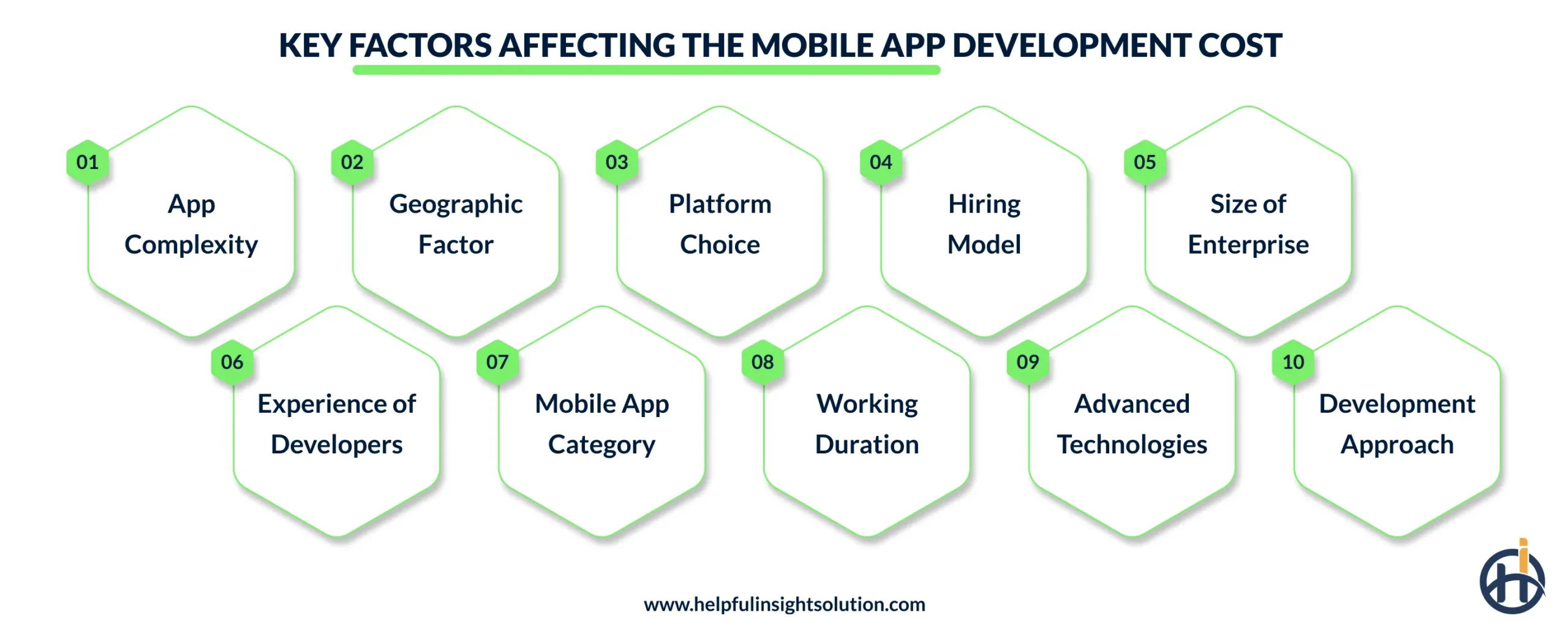
1. App Complexity
The more complex an app is, the higher the development cost. Basic apps require minimal features, while advanced apps need APIs, databases, and integrations. Complex workflows, animations, and security layers significantly increase the time and cost to develop a mobile app.
| App Complexity Level | Estimated Cost |
| Simple Apps | $8,000 – $20,000 |
| Medium Complexity | $20,000 – $40,000 |
| High Complexity | $40,000 – $50,000+ |
2. Geographic Factor
The cost to create a mobile app varies widely based on the developer’s location. The mobile app development cost in the UK and North America is high due to expensive labor. But Asia and the Middle East often offer cost-effective solutions with competitive and better quality.
| Regional Factor | Estimated Cost |
| India | $8,000 – $20,000 |
| UAE | $10,000 – $22,000 |
| Russia | $18,000 – $30,000 |
| UK | $30,000 – $45,000 |
| USA | $35,000 – $50,000 |
| Australia | $32,000 – $45,000 |
3. Platform Choice
Choosing between Android, iOS, or cross-platform affects the total mobile app rates. The development of separate native apps increases expenses compared to a single cross-platform solution. Businesses should work on reducing the hybrid app development cost to target global audiences with a common platform.
| Platform Type | Estimated Cost |
| Android | $10,000 – $25,000 |
| iOS | $12,000 – $28,000 |
| Hybrid Platform | $20,000 – $40,000 |
4. Hiring Model
The hiring model plays a crucial role in influencing the cost to develop mobile apps. Freelancers are cost-effective but may lack long-term support and technical knowledge. Various agencies and dedicated teams cost more but ensure scalability, reliability, and quality.
| Hiring Model | Estimated Cost |
| Freelancers | $8,000 – $18,000 |
| In-House Teams | $18,000 – $35,000 |
| App Development Agency | $30,000 – $50,000 |
5. Size of Enterprise
Small enterprises usually need basic features and limited scalability for business app development. Medium and large enterprises require advanced security, integrations, and customized solutions. The cost to create an app with enterprise-grade services is high due to complex infrastructure needs.
| Enterprise Size | Estimated Cost |
| Startup | $8,000 – $20,000 |
| Small & Medium Business | $20,000 – $35,000 |
| Large Enterprise | $35,000 – $50,000 |
6. Experience of Developers
Highly experienced developers charge higher rates, affecting the overall mobile application development cost. You can hire dedicated app developers to deliver optimized, secure, and scalable applications efficiently. Less experienced developers may reduce upfront cost but increase maintenance expenses.
| Experience Level | Estimated Cost | Experience (Years) |
| Junior Developers | $8,000 – $15,000 | 1-2 Years |
| Mid-Level Developers | $15,000 – $25,000 | 2-5 Years |
| Senior Developers | $25,000 – $40,000 | 5-8 Years |
| Expert Professionals | $35,000 – $50,000 | 8+ Years |
7. Mobile App Category
The mobile app category directly impacts development complexity and the cost to launch mobile applications. Gaming, fintech, and healthcare apps require advanced features and compliance standards. Simplified, utility, and content-based apps are faster and cheaper to build because of availability.
| App Category | Estimated Cost |
| Utility Apps | $8,000 – $15,000 |
| E-commerce Apps | $20,000 – $40,000 |
| Fitness & Healthcare Apps | $18,000 – $35,000 |
| On-Demand Apps | $25,000 – $45,000 |
| Social Networking Apps | $30,000 – $50,000 |
8. Working Duration
Businesses should hire part-time developers to develop a particular feature or small integrations. For building apps with multiple features and testing phases, it is beneficial to hire full-time experts. They may extend the duration and cost to build mobile apps, but improve flexibility and quality.
| Working Duration | Estimated Cost |
| Part-Time | $8,000 – $15,000 |
| Contractual | $20,000 – $35,000 |
| Full-Time | $35,000 – $50,000 |
9. Advanced Technologies
Integrating technologies like AI, AR/VR, IoT, or blockchain increases the cost of building a mobile app. These technologies require specialized skills and additional development time, improving the overall productivity. However, they significantly enhance mobile app performance and user engagement.
| Technology | Estimated Cost |
| Artificial Intelligence | $40,000 – $50,000 |
| Augmented Reality/Virtual Reality | $30,000 – $40,000 |
| Internet of Things | $10,000 – $20,000 |
| Blockchain | $20,000 – $30,000 |
10. Development Approach
The chosen development approach affects both the cost to create mobile apps and scalability. Full-scale development ensures performance but costs more than clone development methods. You can develop a white-label fitness app in less time and with a limited budget while maintaining functionality.
| Development Approach | Estimated Cost |
| Full-Scale Development | $20,000 – $45,000 |
| Low-Code/No-Code | $15,000 – $30,000 |
| White-Label Solutions | $8,000 – $18,000 |
Cost to Develop a Mobile App Based on the Development Process
The cost to build a mobile app can be discussed based on the development process, as there are multiple stages. Here, you will study the cost of all the development phases with their inner parameters:
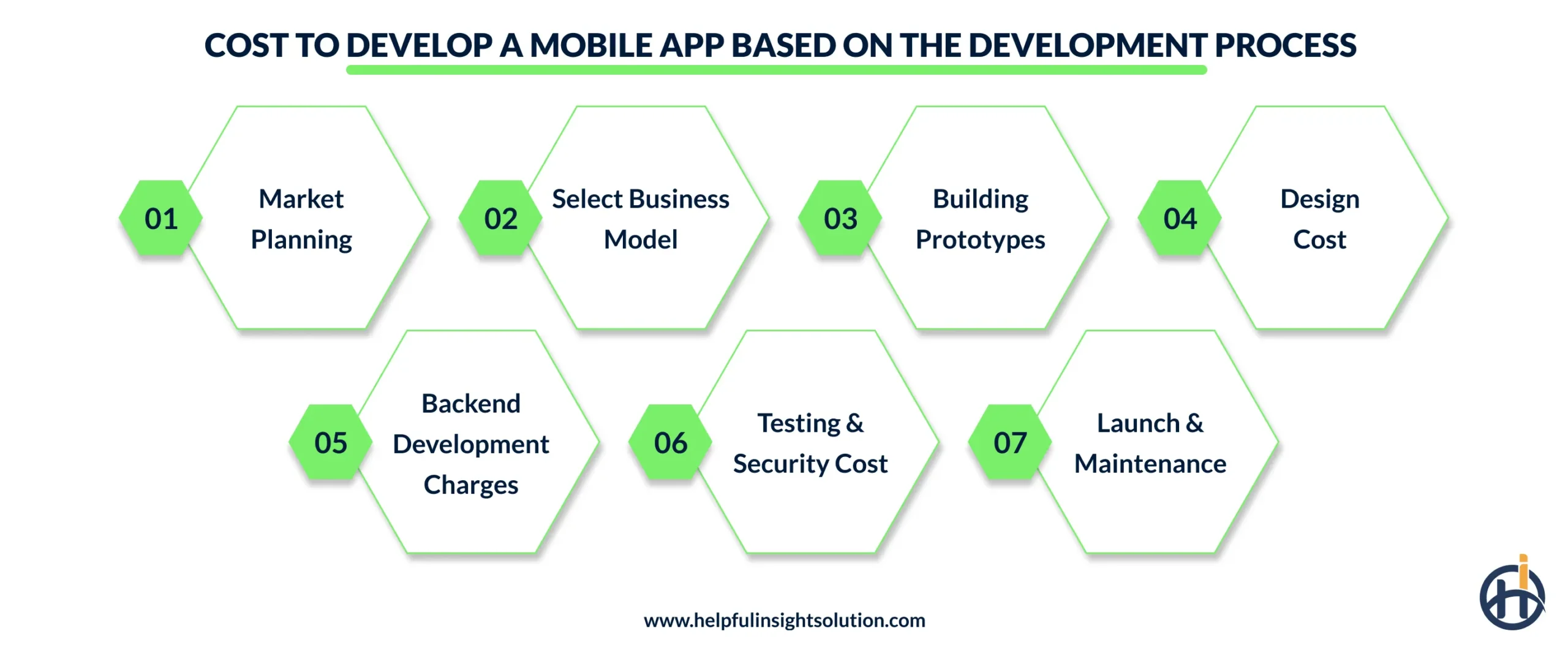
1. Market Planning
This phase involves researching target users, competitors, and market demand to validate the app idea. The cost in developing an app covers market analysis, feature prioritization, and defining the app’s unique value proposition. Investment in proper planning reduces risks and prevents expensive changes later.
| Cost Factor | Estimated Cost |
| Market Research | $8,000 – $15,000 |
| Requirement Analysis | $6,000 – $12,000 |
| Feasibility Study | $5,000 – $10,000 |
2. Select Business Model
It is crucial to choose the right business model that defines how the app will generate revenue. The cost to develop a mobile app depends on evaluating models like subscriptions, in-app purchases, ads, or freemium strategies. An effective business model ensures long-term profitability and scalability.
| Cost Factor | Estimated Cost |
| Monetization Strategy | $5,000 – $10,000 |
| Pricing & Revenue Model | $6,000 – $12,000 |
| Legal & Compliance Setup | $7,000 – $15,000 |
3. Building Prototypes
Another stage is prototyping, which creates a basic visual or interactive version of the app before full development. The cost of developing a mobile app includes wireframes, user flows, and clickable mockups to validate usability. This step identifies various issues early and saves development expenses.
| Cost Factor | Estimated Cost |
| Wireframing | $5,000 – $8,000 |
| Interactive Prototype | $8,000 – $15,000 |
| User Feedback Iterations | $5,000 – $10,000 |
4. Design Cost
Advanced UI/UX design solutions cover user-centric elements such as layouts, navigation, and branding visuals. The complexity of animations, custom graphics, and design revisions affects the overall mobile app development cost. A good interface design enhances user experience and increases app retention.
| Cost Factor | Estimated Cost |
| UI Design | $8,000 – $15,000 |
| UX Design | $10,000 – $18,000 |
| Design Testing | $5,000 – $10,000 |
5. Backend Development Charges
Businesses must focus on backend development, which includes servers, databases, and API integrations. The cost to make mobile applications varies based on data handling, user authentication, and third-party services. A robust backend structure ensures smooth app performance, security, and scalability.
| Cost Factor | Estimated Cost |
| Server-Side Development | $15,000 – $25,000 |
| Cloud Infrastructure Setup | $8,000 – $15,000 |
| Third-Party Integrations | $10,000 – $18,000 |
6. Testing & Security Cost
This is an important phase that ensures the app functions smoothly across various devices, platforms, and operating systems. The iOS app development cost is high due to functional and performance testing, bug fixing, and security audits. Mobile app testing reduces the risks of system crashes and protects user data.
| Cost Factor | Estimated Cost |
| Functional Testing | $8,000 – $12,000 |
| Security Testing | $10,000 – $18,000 |
| Bug Fixing & QA Cycles | $6,000 – $10,000 |
7. Launch & Maintenance
The cost to launch a mobile app includes app store submission, compliance, and initial marketing support. The mobile app maintenance ensures updates, bug fixes, and feature enhancements. For example, the banking app development cost increases due to ongoing maintenance, ensuring long-term growth.
| Cost Factor | Estimated Cost |
| App Store Deployment | $5,000 – $8,000 |
| Post-Launch Support | $8,000 – $15,000 |
| Ongoing Maintenance | $10,000 – $20,000 |
Featured Cost of Top Mobile Applications
If you want more information on the cost to develop a mobile app, then it is beneficial to observe the best platforms. In this section, you will understand the top 5 apps and the costs based on their features:
1. Netflix
Netflix is a leading mobile platform, offering a vast library of movies, TV shows, documentaries, and original content. This video streaming app provides advanced streaming technology, personalized recommendations, and global content delivery infrastructure.
| Feature | Estimated Cost (USD) |
| Video Streaming Engine | $120,000 – $180,000 |
| Personalized Recommendations | $80,000 – $140,000 |
| Offline Downloads | $60,000 – $100,000 |
2. Amazon
The Amazon app combines online shopping, digital payments, and fast delivery services into one platform. The cost to make a mobile app similar to Amazon is driven by complex backend systems, AI-powered recommendations, and secure payment integrations.
| Feature | Estimated Cost (USD) |
| Product Search & Filters | $70,000 – $110,000 |
| Secure Payment Gateway | $90,000 – $150,000 |
| Order Tracking System | $60,000 – $100,000 |
3. WhatsApp
The cost to create social media platforms like WhatsApp is based on advanced messaging features, such as text, voice, video calls, and media sharing. The cost to develop mobile applications is influenced by end-to-end encryption, scalability, and real-time communication infrastructure.
| Feature | Estimated Cost (USD) |
| End-to-End Messaging | $50,000 – $90,000 |
| Voice & Video Calling | $80,000 – $140,000 |
| Media Sharing | $40,000 – $70,000 |
4. Cash App
Cash App is a digital payment application that allows users to send, receive, and invest money seamlessly. The average price for app development includes strong security measures, compliance features, and smooth financial transaction processing.
| Feature | Estimated Cost (USD) |
| Peer-to-Peer Payments | $90,000 – $150,000 |
| Bank Account Integration | $70,000 – $120,000 |
| Security & Fraud Detection | $100,000 – $180,000 |
5. ChatGPT
ChatGPT is an AI-powered conversational application designed to assist users with queries, content creation, and problem-solving. The cost to create a mobile application like ChatGPT is affected by advanced AI models, cloud computing resources, and model training updates.
| Feature | Estimated Cost (USD) |
| AI Chat Interface | $60,000 – $100,000 |
| NLP & Language Model Integration | $100,000 – $160,000 |
| User History & Memory | $40,000 – $80,000 |
Hidden Cost Factors of Mobile App Development
There are some hidden factors also available in the market that will affect the cost to develop a mobile app in 2026. Let’s have a quick look at some of the important factors in this section:
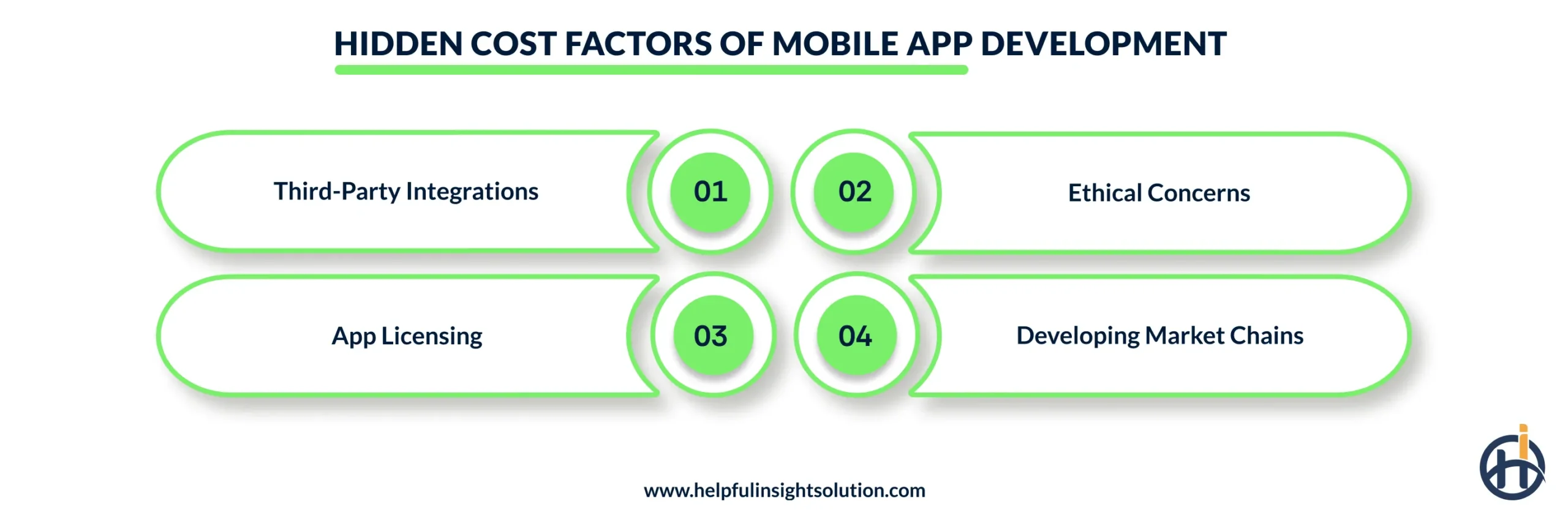
1. Third-Party Integrations
Integrating third-party APIs and SDKs involves recurring subscription fees and usage-based costs. Additional expenses arise from ongoing maintenance, version updates, and compatibility issues. Security audits and performance optimization further increase the long-term cost to build an app.
2. Ethical Concerns
Various ethical issues, such as data privacy and user consent increases the cost to create mobile applications. It requires legal consultations, compliance measures, and transparent data handling. For example, the cost to develop a fantasy sports app is due to improper regulatory functioning.
3. App Licensing
Licensing fees for development tools, frameworks, fonts, and software libraries are important for budgeting. Some licenses require annual renewals or charge per-user, increasing the cost to create a mobile app. Failure to comply with licensing terms can result in legal penalties and app removal.
4. Developing Market Chains
Building apps for market users involves costs for localization, multi-language support, and payment gateways. The infrastructure may require additional optimization and offline functionality. Adapting to diverse regulatory and cultural requirements also increases the cost to launch a mobile application.
How to Reduce the Cost of Building Mobile Apps?
After understanding the cost to build a mobile app based on various factors, it’s time to study the cost-reducing methods. They are described with specific parameters and target points in this section:
1. MVP Approach
Building a Minimum Viable Product (MVP) focuses only on core features needed to validate the app idea. This reduces initial development time and the cost of creating a mobile app while allowing early user feedback. Mobile app enhancements can be added later based on real market demand.
| Method | Reduction (%) | Savings ($) |
| MVP Approach | 40% | $2,000-$2,500 |
2. Cross-Platform Development
Cross-platform frameworks like React Native enable a single codebase for both iOS and Android apps. This significantly cuts the Android app development cost with maintenance and testing expenses. This cost comparison speeds up market presence without compromising the mobile app quality.
| Method | Reduction (%) | Savings ($) |
| Cross-Platform Development | 30% | $1,500-$2,000 |
3. Outsource Developers
Outsourcing app development to experienced teams or regions with lower hourly rates reduces the mobile development cost. It eliminates the need for in-house hiring, training, and infrastructure mobility. Business investors also gain access to specialized skills based on user demand.
| Method | Reduction (%) | Savings ($) |
| Outsource Developers | 35% | $2,000-$3,000 |
4. Use Open-Source Tools
Open-source libraries and frameworks reduce licensing fees and development efforts. They offer ready-made solutions, community support, and frequent updates, improving the overall functionality. This accelerates the process while keeping the cost to develop a mobile application under control.
| Method | Reduction (%) | Savings ($) |
| Use Open-Source Tools | 18% | $500-$1,000 |
5. Prioritize App Features
Focusing on high-impact and essential features prevents unnecessary mobile app development pricing. For example, feature prioritization for fitness apps ensures complete body wellness for users. This decreases the fitness app development cost, as critical features can be updated later.
| Method | Reduction (%) | Savings ($) |
| Prioritize App Features | 25% | $1,000-$1,500 |
6. Performance Analysis
Regular app performance analysis identifies bugs, inefficiencies, and bulky processes at early stages. Fixing issues during the development process decreases the cost to make a mobile app. Additionally, it ensures smoother app performance and long-term cost savings.
| Method | Reduction (%) | Savings ($) |
| Performance Analysis | 10% | $200-$500 |
Key Ways to Monetize a Mobile Application in 2026
Business investors should implement various revenue models to balance the cost to develop a mobile app. Some of the major money-making methods are discussed in this section that you must know:
1. In-App Purchases
In-app purchases allow users to buy premium features, virtual goods, or exclusive content within the app. This model works best for gaming, fitness, and productivity apps by enhancing user experience without increasing the mobile app development rates.
2. Subscription Model
The subscription model generates recurring revenue by offering monthly or yearly access to premium features or content. It ensures predictable income and builds long-term user engagement by controlling the cost to make a mobile application.
3. Advertising & Sponsorships
Advertising models monetize apps by displaying in-app ads like in classified platforms, balancing the cost to build a real estate app. This approach is effective in controlling the cost of making a mobile app and keeps the app free for users while earning steady revenue.
4. Freemium Model
The freemium model offers basic features for free while charging for advanced functionalities or mobile upgrades. It attracts a large user base and gradually converts free users into paying customers, handling the overall mobile app development rates.
5. Affiliate Marketing
Affiliate marketing earns revenue by promoting third-party products or services within the app and earning commissions on conversions. This method works well for content, lifestyle, and eCommerce-related applications, helping businesses to manage the cost to build mobile applications.
How can Helpful Insight Assist Businesses in Managing the Mobile App Development Cost?
Have you got the suitable cost to develop an app for your business? If yes, then it’s time to start preparing a plan, including budget requirements, necessary resources, and post-development services.
With a detailed blueprint, you can easily control changes in the cost to build a mobile app and the development process. For better clarity, you can approach an affordable full-stack development company that can help you to understand different terms and regulations.
The development partner will help you in managing the factors that are responsible for influencing the cost to make a mobile app. Additionally, it also provides insights into different market standards based on your business requirements.
So, you can easily judge the cost to launch mobile apps in 2026 and increase the overall brand visibility for high user engagement.
FAQs
The development time is a variable factor, depending upon several factors, like the development process, complexity, and technical integrations. The average time ranges from 2 months to 5 months due to limited app features and less complexity. As these parameters increase, the overall duration also rises to more than 8 months.
As a business investor, you must know a certified process to hire mobile app developers at affordable rates. Let’s understand the hiring process through the following steps:
- Create a document listing budget requirements.
- Analyze previous works and client testimonials.
- Conduct interviews to judge technical knowledge.
- Ensure ethical skills through non-disclosure agreements.
- Discuss project outcomes and finalize hiring.
MVP development is a cost-reduction method that is used by most business investors. This method includes some crucial points that are described as follows:
- It focuses on primary app features to remove unnecessary mobile functionalities.
- The method enables market validation, preventing investment in useless resources.
- MVP reduces risk, as feedback-driven references avoid expensive app changes.
Artificial Intelligence is one of the most powerful technologies, used to automate business operations, personalize user experiences, and predict results. Simple AI algorithms are affordable and can easily be integrated into various mobile applications. But complex models, such as ML and NLP, are expensive and require additional investments.
The maintenance cost is calculated between 15% and 20% of the original mobile app development cost. This is because several parameters, like bug fixing, feature enhancements, and performance checks, are responsible for affecting the rates. For example, a project of $20,000 has a maintenance cost between $3,000 and $4,000.