

“Enhance mental stability by reducing stress and anxiety with a digital healthcare solution.”
Mental health has now become a popular topic among people because of their hectic lifestyles, overburden of stress, and increasing mental disorders. According to a report, 50% of mental illness starts at the age of 14, which increases to 75% at the age of 24.
Also, suicide attempts are the second largest mental health cause in the USA, affecting more than 60 million people in the country. So, here comes the need to make a mental health app because it is difficult to manage this situation without a digital solution.
After this innovation, more than 70% of the US adults suffering from adverse mental problems got instant treatment. These mental health app solutions provide accurate behavior monitoring, stress analysis, and symptom tracking features.
An entrepreneur in this domain must have a guide to develop a mental health app to ensure smooth treatment and mental stability of patients.
This blog brings valuable information, like key features, development process, and cost, to the table. You will also see the challenges in mental health app development process at the later stages. So, let’s start our content by first understanding a mindfulness app and its growing market.
Mental Health App: Understanding the Concept
Platforms that allow patients to track their mood swings, analyze behavior regularly, monitor mental symptoms, and make personalized decisions are known as mental wellness apps. They provide AI-generated reports that show an increase in stress levels, types of disorders, and brain mapping patterns.
Patients can identify various mental illnesses, like Bipolar disorder, Schizophrenia, Post-Traumatic Stress Disorder (PTSD), and others, through a behavioral health app. Businesses can develop a wellness app that offers various therapies like Cognitive-Behavioral Therapy (CBT) to control these disorders.
A mental health application helps patients to enhance mental stability through precise fitness recommendations.
- It provides 24/7 access to mental health resources, self-help tools, and personal therapies.
- This app offers features like mood tracking and progress reports based on user needs.
- A mental health app improves accessibility through expert guidance and wellness programs.
Market Scenario for Mental Wellness Apps
The market of mental health software is growing rapidly due to its increasing user demand and less competition. For developing a successful mental health app, you must observe the following stats, which include revenue, growth rate, and some other important figures:
- At present, the mental health app market revenue is $10.1 billion, with North America having a maximum of 38.1% market share.
- The overall revenue will increase to $41.2 billion by 2035 at a whopping rate of 17% CAGR between 2026 and 2035
- The USA market is generating a revenue of $2.7 billion in 2026, which is going to reach $11.7 billion by the end of 2035.
- Europe, with 28.4%, and Asia Pacific, with 25.2% market share, are in the second and third positions, respectively.
- This will cure mental stress for 36% of young adults and 29% of working professionals who are suffering from serious disorders and anxiety.

The above market statistics will encourage you to invest in mental health application development and become an industry giant. An online therapy app will provide you with increased user engagement, enhanced brand visibility, and consistent revenue generation.
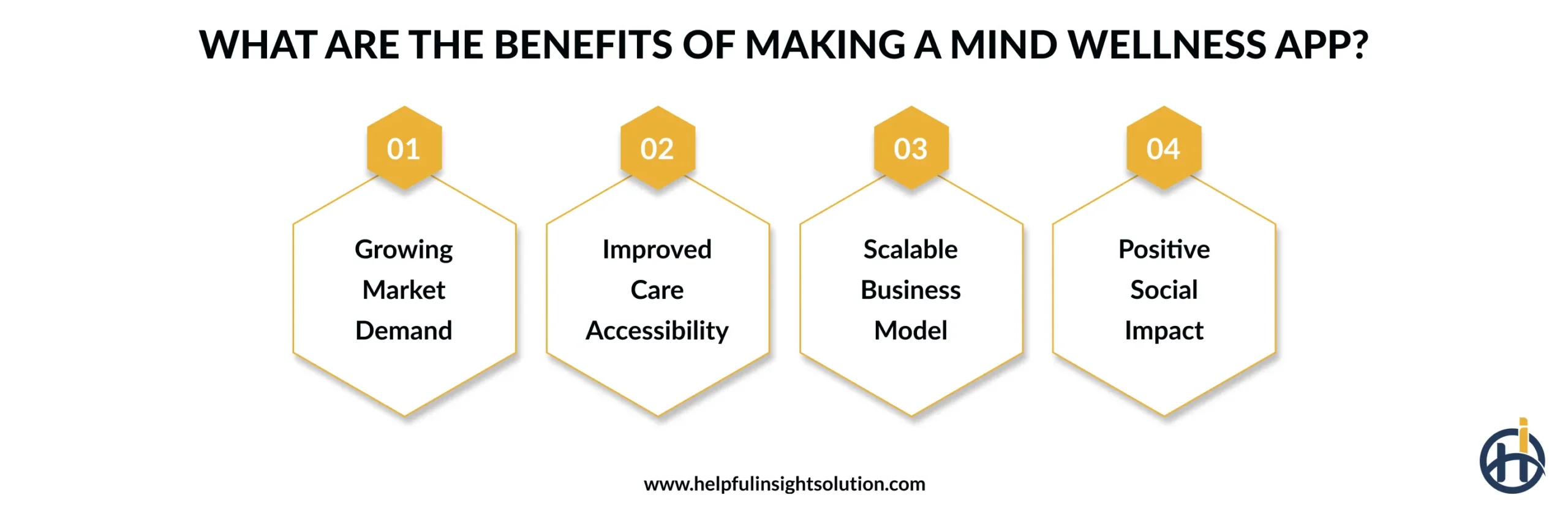
What are the Benefits of Making a Mind Wellness app?
Businesses should develop a mental health app, as it offers several industrial benefits. They reduce stress and provide personal care to users, whereas they offer a social status and growth to businesses:
1. Growing Market Demand
The making of a mental health app for enterprises in 2026 is beneficial because the market is growing due to increased user engagement and investments. It is expected that it has the potential to grow more in the future with advanced technologies.
2. Improved Care Accessibility
Various apps for tracking mental health help users in different ways that increase business trust and reliability. By integrating virtual health assistants in mind wellness platforms, you target specific user concerns and ensure credibility.
3. Scalable Business Model
Businesses can generate revenue faster than the overall expenses by including custom mental health app development services. This ensures rapid expansion without increasing proportional rates for resources, infrastructure, or labor.
4. Positive Social Impact
A mental health care app addresses various health determinants, such as preventive care and dynamic record access. This enables progressive lifestyle growth, connective social care, and remote healthcare management for patients.
Types of Mental Health Applications
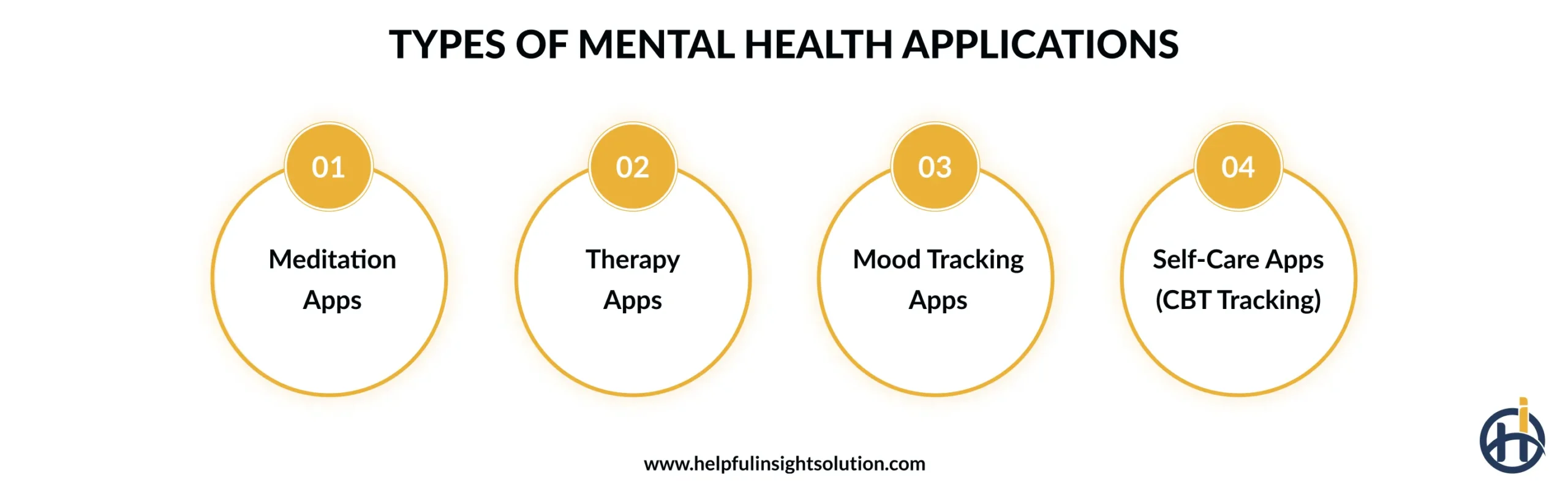
You can build a mental health app by understanding the different categories that are available in the market. They target specific user issues, such as stress, mental disorders, and mood swings:
1. Meditation Apps
A digital mental health app provides meditation techniques, breathing exercises, guided sessions, and calming music. This reduces stress, improves focus, and promotes emotional balance for better mental well-being.
Read Also: Top Yoga Apps for Daily Wellness
2. Therapy Apps
The AI therapy apps connect users with licensed experts through chat, voice, or video sessions. They provide accessible, affordable, and flexible counseling sessions for individuals who want emotional support.
3. Mood Tracking Apps
A mood management app monitors user emotions and behavioral patterns through daily insights. By analyzing trends, these apps help users to easily understand their mental health and experience a balanced lifestyle.
4. Self-Care Apps (CBT Tracking)
A self-care mobile app based on Cognitive Behavioral Therapy identifies negative thought patterns and replaces them with healthier responses. It provides structured exercises and progress tracking features to support mental health.
Exciting Features of Digital Mental Health Solutions
Some core features in mental health apps include one-to-one sessions, habit tracking, and profile management. They enhance mental strength, improve thought processes, and increase efficiency:
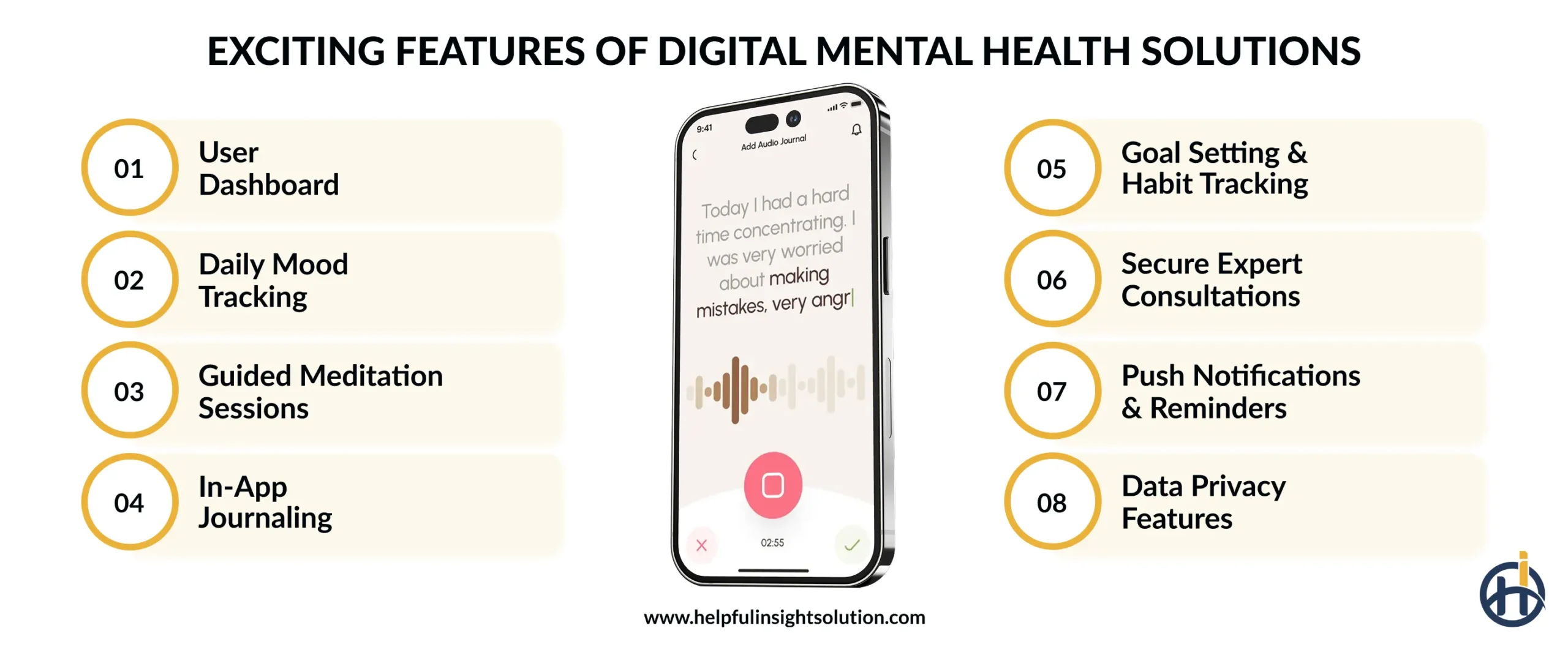
1. User Dashboard
In digital mental health solutions, a dashboard allows users to track their mental health progress and activities. It offers personalized summaries, mood statistics, and recommendations in one place.
2. Daily Mood Tracking
The best health apps offer a mood tracking feature that enables users to identify behavioral patterns. These phone apps for mental health monitoring use visual analysis to improve emotional well-being.
3. Guided Meditation Sessions
A mental health application provides guided meditation sessions with structured practices to reduce stress and anxiety. They improve user habits by enhancing focus, sleep cycles, and overall mental clarity.
4. In-App Journaling
The journaling feature provides a safe digital space for users to express their thoughts and emotions. An emotional wellbeing app encourages self-reflection and supports mental processing through journaling.
5. Goal Setting & Habit Tracking
The best therapy apps allow users to set mental wellness goals and monitor daily habits with this feature. It offers daily progress tracking with milestone achievements that regularly motivate users.
6. Secure Expert Consultations
The best mental health apps offer secure expert consultations that connect users with therapists or mental health professionals. This facility ensures safe and private communication through encrypted channels.
7. Push Notifications & Reminders
You can make a behavioral mental health app with instant reminders so users can practice meditation and therapy sessions. This feature helps businesses to maintain engagement and build positive user routines.
8. Data Privacy Features
A mental health care app provides advanced data privacy features to protect user data through secure storage. These standards ensure confidentiality, build trust, and improve mental well-being effectively.
AI-Powered Features of a Mindfulness App
Here, we will see some must-have features of mental health apps, including AI capabilities such as personalization. They can deliver advanced stress alerts, user-specific plans, and smart suggestions:
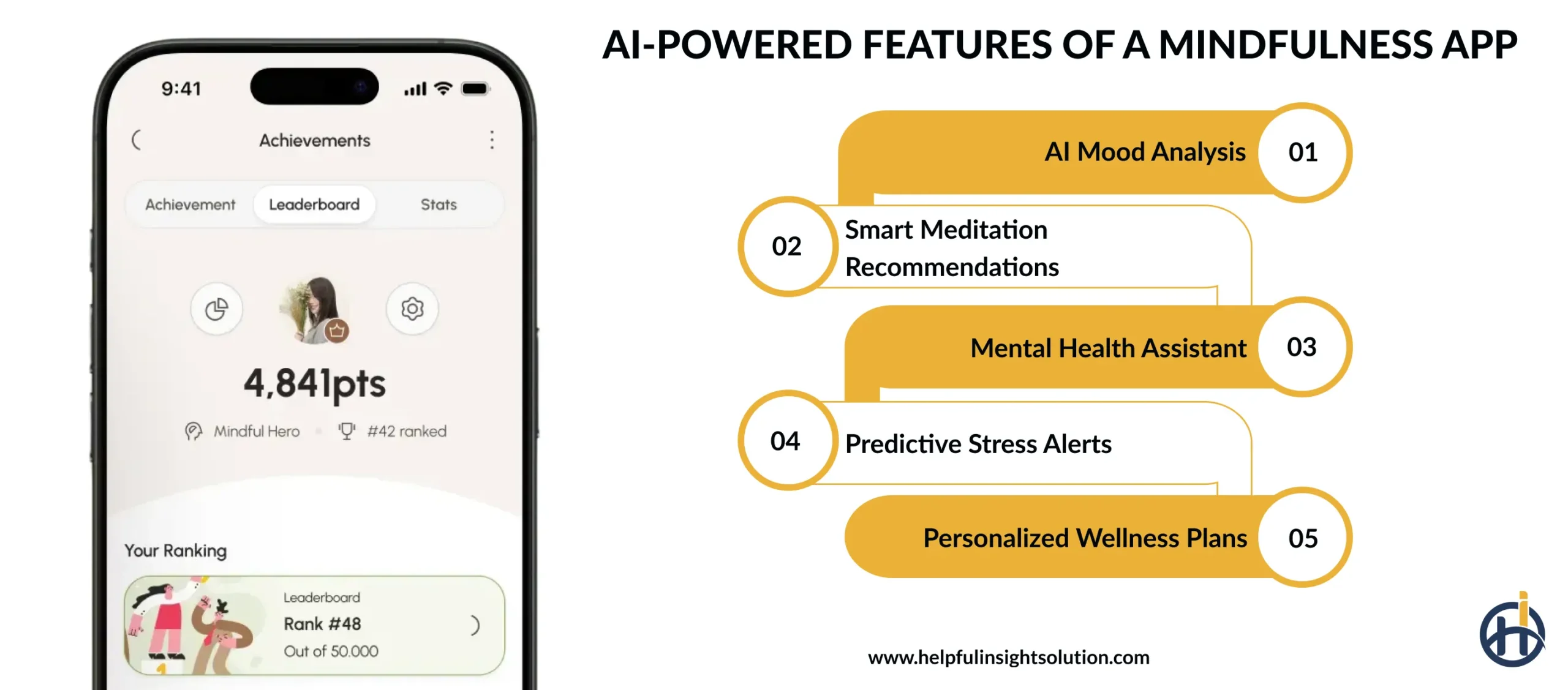
1. AI Mood Analysis
The use of AI in healthcare for mood analysis is to assess user emotions through voice tone, text inputs, and activity patterns. Various AI therapy apps understand mental states and provide instant user support.
2. Smart Meditation Recommendations
A digital mental health app analyzes user behavior, stress levels, and preferences to deliver smart recommendations. This ensures a highly personalized and effective meditation experience in real time.
3. Mental Health Assistant
A mental health assistant offers instant chat support, survival techniques, and meditation exercises. A cognitive behavioral therapy (CBT) app offers a 24/7 virtual companion for emotional care.
4. Predictive Stress Alerts
The predictive stress alert feature uses behavioral data and usage trends to detect early signs of rising stress levels. A depression support app suggests relaxation techniques to manage anxiety and stress.
5. Personalized Wellness Plans
A therapy app offers personalized wellness plans to create customized routines based on user goals and daily habits. These patterns evolve continuously to improve overall mental wellness and digital space.
How to Create Mental Wellness Applications?
In this section, we will understand how to develop a mental health app through a complete process. The generally used development steps, from planning to maintenance, are discussed with detailed information:
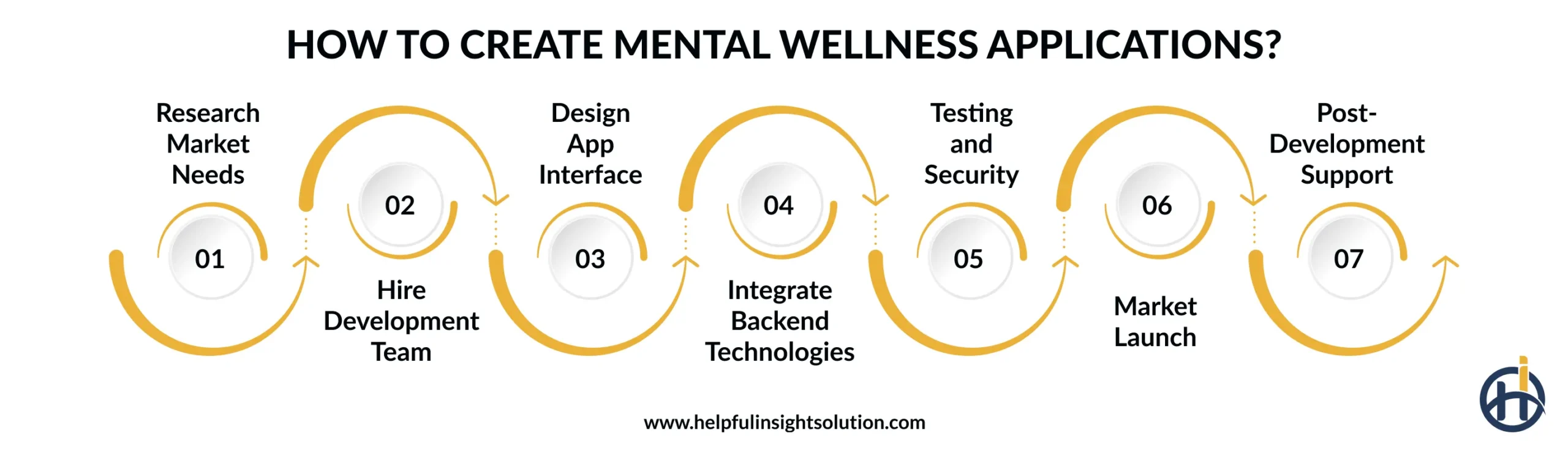
1. Research Market Needs
To build a mental health app, the first thing you have to do is to understand user demands, current trends, and technical innovations. An entrepreneur should focus on documentation to list budget requirements and project needs. Additionally, it is crucial to define future goals and business outcomes.
You can go through different business models and identify their core functionalities. So, it is easy to manage resources, reduce expenses, and use agile strategies.
2. Hire Development Team
For mental health app design & development, you should approach an experienced team that has expertise in this healthcare domain. It must include skilled UI/UX designers, backend engineers, QA experts, and market strategists. They provide complete technical assistance through advanced tools and technologies.
Businesses can hire app developers by judging their experience through personal interviews. It is also important to ensure their work integrity and ethical skills before selection.
3. Design App Interface
The next stage is the design of a mobile app interface, which includes wireframing and implementation. Frontend experts use different AI-powered tools to build a clone with navigation and menu bars. So, an anxiety and stress management app becomes responsive and interactive.
For programming on Android devices, they use Kotlin, and for iOS devices, they use Swift. To make hybrid platforms, the Dart programming language under Flutter is extensively used.
4. Integrate Backend Technologies
A mental health app development company helps businesses to easily integrate dynamic APIs. It implements RESTful and GraphQL for notifications, payments, and messaging. Additionally, it assists in deploying cloud-based solutions, such as AWS, Microsoft Azure, or Google Cloud.
For data storage, the developers use MongoDB or MySQL according to the database requirements. The backend includes the first layer of security with tools like OAuth and JWT.
5. Testing and Security
In the next phase, mental health app developers test the mobile platform on various operating systems and devices. They perform various methods like usability, unit, penetartion and beta testing to identify technical issues. After this, a report is prepared listing loopholes and desired solutions.
The second layer of security is implemented here, which includes login features and user authentication. This protects valuable health and user information from unauthorized access or attacks.

6. Market Launch
Now, you can launch the psychological health app on various public platforms, like the Play Store and App Store. A business investor should conduct deep market research and optimization for a successful launch. Here, beta testing helps you to get feedback and make changes according to user preferences.
You can use social media to promote brand awareness and digital mental wellness across the globe. This increases user engagement, enhances industrial support, and initiates revenue generation.
7. Post-Development Support
This is the last phase in the development of mental care management apps that includes maintenance services. It ensures efficiency and productivity through bug fixing, feature enhancements, and app updates. Additionally, it also tracks performance through different analytical tools.
This affects the cost to make a mental health app by increasing it to 15-20% of the original cost. So, you should monitor maintenance tasks to balance the increase in the overall price.
Top Apps to Track Mental Health
We are discussing the best mental health apps that are operational in the USA and other nearby countries. Here, you will understand the key features, downloads, and ratings for each of the following apps:
1. Moodfit
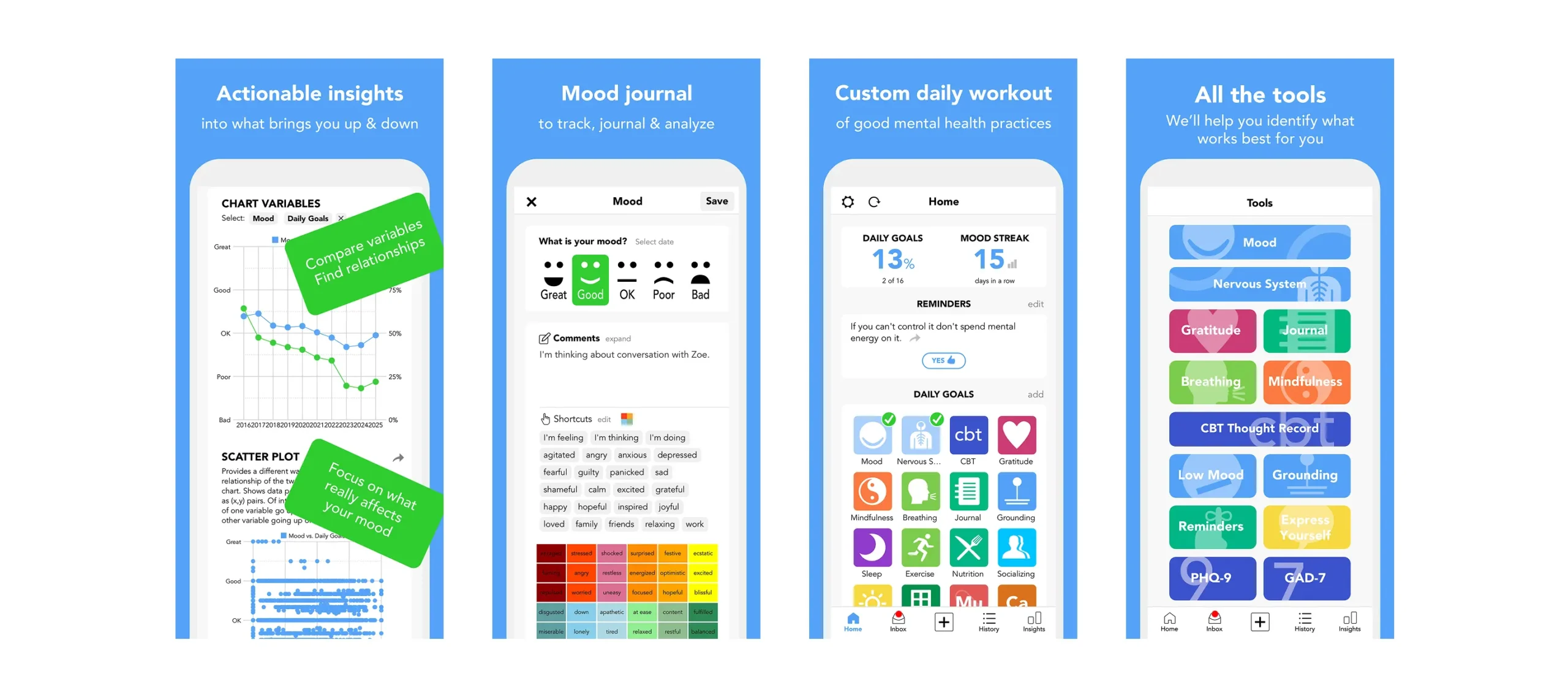
Moodfit allows users to track mood patterns, set wellness goals, and practice CBT-based exercises. It is a psychological app that offers journaling tools, breathing exercises, and detailed reports to understand user intentions.
Downloads: 100K+
Ratings: 4.1
Key Feature: This app offers custom mental health fitness plans with daily mood tracking exercises.
2. Calm
Calm is a popular mindfulness and meditation app that reduces stress and improves mental health. Additionally, it provides guided meditations, sleep stories, breathing programs, and relaxing music for better mental clarity.
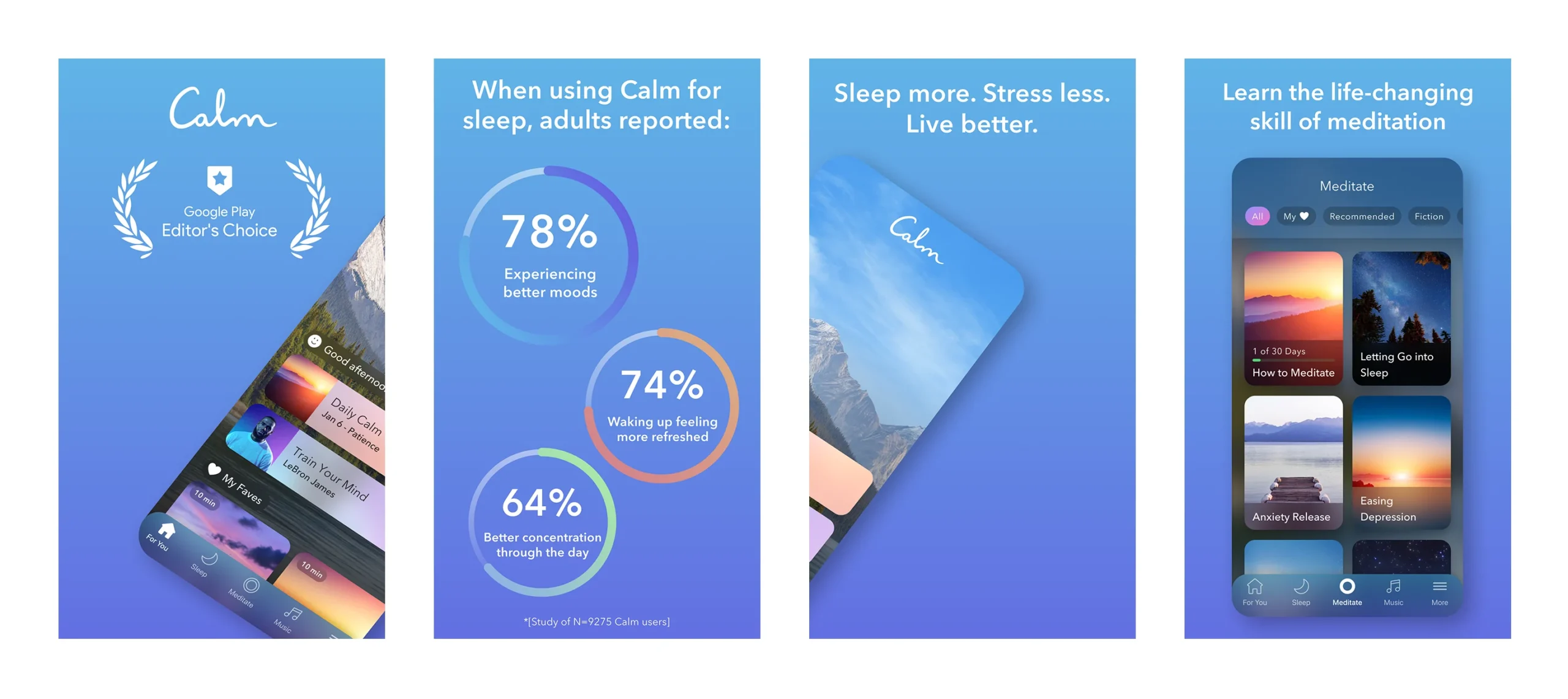
Downloads: 50M+
Ratings: 4.3
Key Feature: The Calm app provides exciting sleep stories that help to improve sleep quality.
3. Wysa
Wysa is the best example of AI chatbots in healthcare that provides emotional support through guided conversations and pinpoint techniques. It is a teletherapy app that helps users manage stress, anxiety, and mood swings with self-care tools.
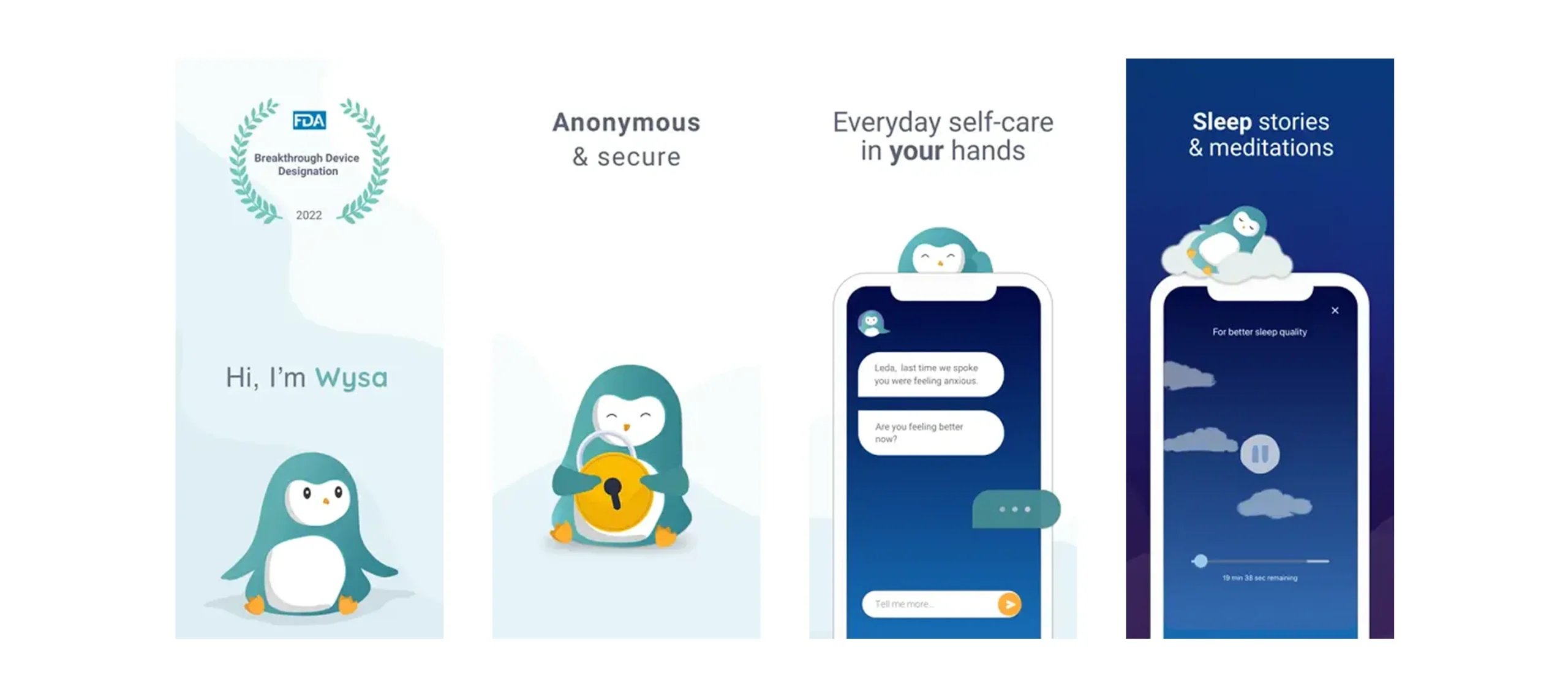
Downloads: 1M+
Ratings: 4.5
Key Feature: This AI-powered chatbot delivers constant social and emotional support to users.
4. MindDoc
MindDoc is a mental health treatment app that identifies symptoms of stress, anxiety, and depression. Additionally, it delivers regular mental health reports and personalized insights based on psychological research data.
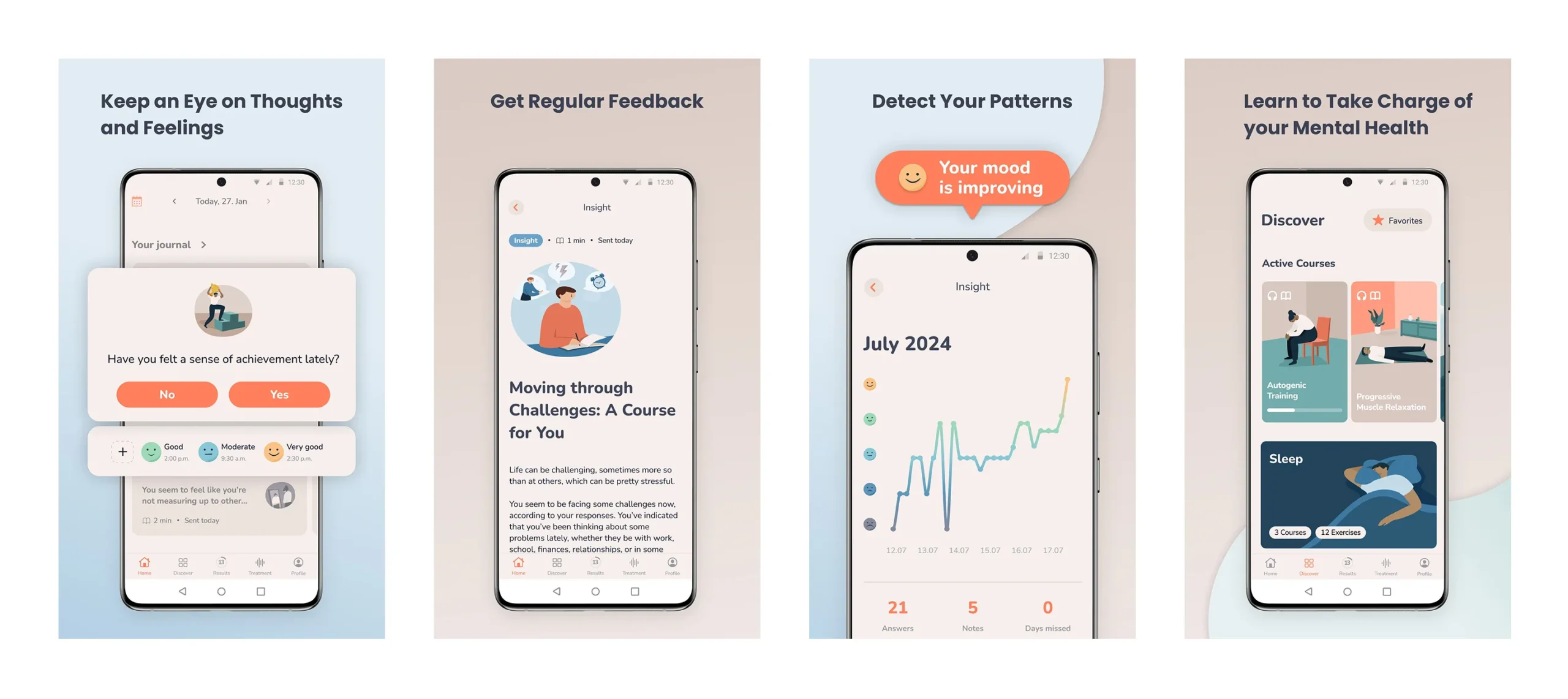
Downloads: 1M+
Ratings: 4.4
Key Feature: It tracks mood swings to generate personalized mental health insights and reports.
What is the Cost to Develop a Mental Health App?
The cost to develop a mental health app is variable and dependent on several market factors, like feature complexity, location, experience of developers, and platform choice. For all the low parameters, the mental health app development cost ranges from $8,000 to $30,000, which can rise to $60,000 or more if the parameters increase.
Businesses must use a cost calculator that provides an estimated price by monitoring each parameter. Let’s study the factors that influence the cost of making a mind wellness app:
Project Complexity: A mobile app with advanced features is expensive because of complex algorithms. But you can add simple features and functionalities if the project or budget requirements are less.
Team’s Location: Countries like the USA or Canada are expensive because they offer expensive teams. You can hire development partners from India or the UAE if you have a limited financial budget.
Developers’ Experience: Junior developers with 3 years of experience are good for small integrations and tasks. To develop a mobile app, businesses can hire seniors with more than 5 years of experience.
Platform Selection: If you want to create an app for a single device with a limited budget, then Android is better than iOS. Businesses can select a hybrid model for making mental health apps on both platforms.
Hiring Model: It is affordable to hire freelancers for creating small-scale projects and open platforms. Developers in agencies are expensive, but they ensure complete security and technical assistance.
Read Also: Healthcare App Development: A Complete Guide
How can Businesses Monetize a Mental Wellbeing App?
Businesses can balance the cost to build a mental health app through various monetization methods, like subscriptions and commissions. Let’s observe the necessary revenue models for businesses in this section:
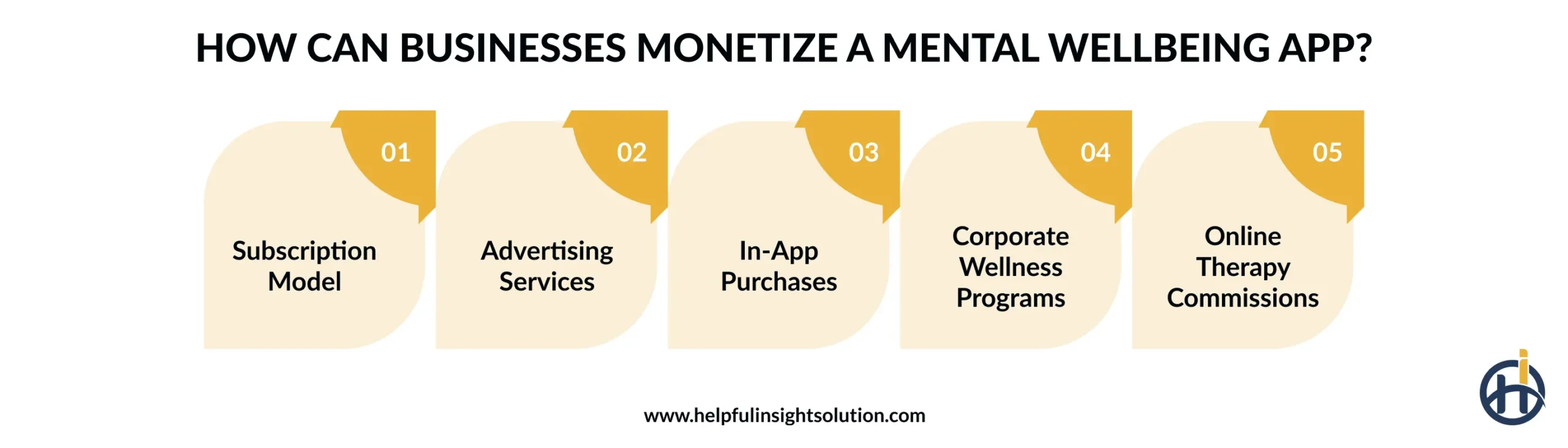
1. Subscription Model
Businesses can implement a subscription model in their mental wellness mobile application with tiered plans, such as monthly, annual, or lifetime. This scheme ensures consistent revenue generation and satisfies people of different health requirements.
2. Advertising Services
After creating a mental health app, you must run ad campaigns, host digital banners, and promote wellness brands to make profits consistently. It helps entrepreneurs to enhance user engagement, increase brand recognition, and encourage mental health.
3. In-App Purchases
You should develop a mental health app with an in-app store that allows users to purchase different products like yoga mats and mindful accessories. By implementing this revenue model, it will become easy to generate revenue and gather millions of users.
4. Corporate Wellness Programs
As corporate organizations conduct mental wellness programs to manage stress and anxiety, you can create top yoga apps for employees and staff. A behavioral health app will help them to regularly track progress and increase their work productivity.
5. Online Therapy Commissions
Entrepreneurs can charge users with commissions for online therapies, live mindfulness sessions, and virtual expert consultations. A therapy support app provides premium features, such as ordering medicines and booking appointments at fixed prices.

Why Choose Helpful Insight for Mental Health App Development?
Now, you have gone through everything that is required to build a mental health app in 2026. So, be ready to connect with reliable healthcare app development company and discuss your proposal with their experts.
We provide skilled professionals who understand your future goals, create a collaborative environment, and suggest different business models. Additionally, you can consult the cost to create a mental health app by listing your budget specifications and target audiences.
Our experts build user-friendly treatment apps that include advanced features to track mental disorders and provide therapies accordingly. Additionally, they also provide professional services for developing apps, covering design, integration, and maintenance.
So, you can increase trust among users and generate profitable income through your emotional wellbeing platform.
FAQs
People use mental health apps on a large scale because they offer a simple interface and easy-to-use features. The working mechanism of mind wellness apps is described in the following manner:
- Users can create a profile and personalize their dashboard through preference tools.
- The app tracks mood, stress levels, and daily activities through data monitoring.
- It provides guided tools like meditation, CBT exercises, and breathing sessions.
- Different mental therapists offer personalized recommendations and user support.
- People can view progress reports to build healthy habits and monitor improvement.
A business investor may face some challenges in the development of mental wellness mobile applications. Some of the important app-making risks are discussed as follows:
- It is difficult to ensure clinical accuracy through user-friendly and engaging features.
- Businesses cannot maintain strict data privacy and compliance with healthcare regulations.
- The integration of personalized features that address diverse mental health needs is tough.
The average time required to make a mobile app for tracking mental health is between 2 months and 5 months because of limited feature selection. As the requirement increases, the overall duration also rises to 8 months or more, depending on the number of integrations. The development time is affected by the overall process, budget needs, and platform complexity.
Artificial intelligence has now become a common technology in mobile apps, enhancing user personalization. The key roles of AI in mood tracking and stress management are as follows:
- It can analyze user behavior, mood logs, and biometrics to detect stress patterns.
- Various machine learning models provide personalized strategies and insights.
- The automated monitoring feature enables predictive mental health support.
Mental wellness applications are developed with integrated encryption algorithms to secure user data from breaches. They implement the following rules to safeguard sensitive health information:
- They implement end-to-end encryption and secure cloud storage systems.
- Apps can comply with data protection laws like GDPR and HIPAA standards.
- Multi-factor authentication and login features protect sensitive user information.