


“Make use of modern practices to gather more users and keep existing ones for your fitness platform.”
As we are entering a new era where innovation and technology are taking place, multiple domains like fitness have started targeting users through different tactics. As an entrepreneur, it becomes important for you to use the strategies to increase your fitness app engagement and overall revenue.
The shift from traditional business models to digital mobile apps is one of the major reasons that attracted millions of customers from across the world.
Based on a recent survey conducted by Statista, the overall user penetration is 26.00% in 2026, which will increase to 43.06% by 2031. The adoption of fitness app retention strategies is the key factor for this rise in the near future.
Additionally, they help in fitness app marketing and branding without spending additional cost on the infrastructure. We are here to introduce you to the top engagement metrics for fitness apps that will ensure constant user traffic after implementation.
So, let’s not waste much time and start with the blog to understand various fitness app user engagement tips along with market challenges.
Growing Market of Fitness Apps
As users engage with the fitness apps, the revenue and growth automatically increase. You must know how to improve fitness app engagement by targeting modern innovations and user preferences. Let’s focus on the following market stats to understand the present scenario:
- In 2025, the current fitness app market revenue is $12.18 billion, which is growing at an overall 13.4% CAGR rate between 2026 and 2033.
- At the end of 2033, the total revenue will reach $33.6 billion, with North America having a 40% revenue share.
- In a recent report, 74% of US citizens use at least one fitness app, of which 60% have online gym memberships.
- The overall market share of mobile devices is 66.9%, in which iOS fitness apps are downloaded on more than 52.1% of handsets.
- In the USA, 31% of people use integrated smart devices and wearables, which will generate a total revenue of $2.5 billion in 2025.

These market figures may encourage you to develop a fitness tracker app with advanced features to attract a large number of people and generate revenue. It’s time to move forward and understand fundamentals for enhancing user engagement.
Why are User Engagement and Retention Important?
For a business investor, it is important to drive more users, along with the previous customers, to generate profits and increase the brand value. The fitness app marketing is one of the common methods used by entrepreneurs to attract people and build trust in them. To implement better strategies, it is beneficial to approach a reliable fitness app development company that has experience in the fitness domain.
Additionally, it must ensure affordable services, skilled developers, and a business-friendly development environment. You must know some crucial points related to fitness app engagement before using any strategy or model.
Engagement Rate:
Measures how actively users interact with an app or platform over a given period.
Retention Rate:
Indicates the percentage of users who continue using a product after a specific time.
Churn Rate:
Represents the percentage of users who stop using a product or service within a given timeframe.
Conversion Rate:
Shows the percentage of users who complete a desired action, such as signing up or making a purchase.
Penetration Rate:
Reflects the proportion of the target market that is using a particular product or service.
What are the Benefits of Developing Fitness Apps?
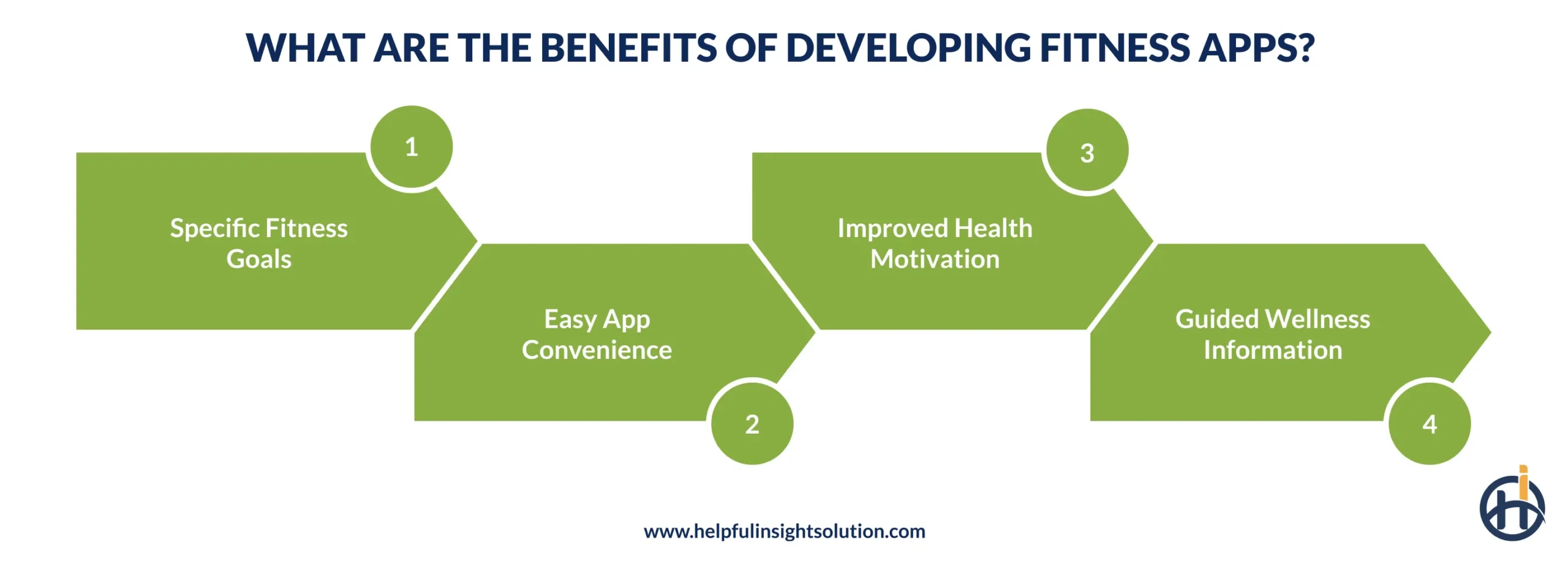
An increase in fitness app engagement is one of the best benefits that businesses can experience. We will discuss some other important advantages of making a fitness application in this section:
-
Specific Fitness Goals
Users can experience personalization in fitness apps by setting wellness goals, workout plans, and diet meals. They can also fix their training sessions and the number of repetitions through a digital platform.
-
Easy App Convenience
Interactive UI/UX design solutions help businesses attract more customers through fast and smooth navigation. The calibration of a display screen is very important to ensure user satisfaction and trust.
-
Improved Health Motivation
With a mobile fitness app, you can motivate users for yoga, running, a balanced diet, and daily workouts. These fitness app engagement metrics allow entrepreneurs to increase user retention and revenue.
-
Guided Wellness Information
Quick APIs and dynamic databases help people get updated information on various healthcare products and sessions. You should find out how to increase fitness app engagement with different methods in 2026.
Exciting Features of Fitness Applications That Target Users
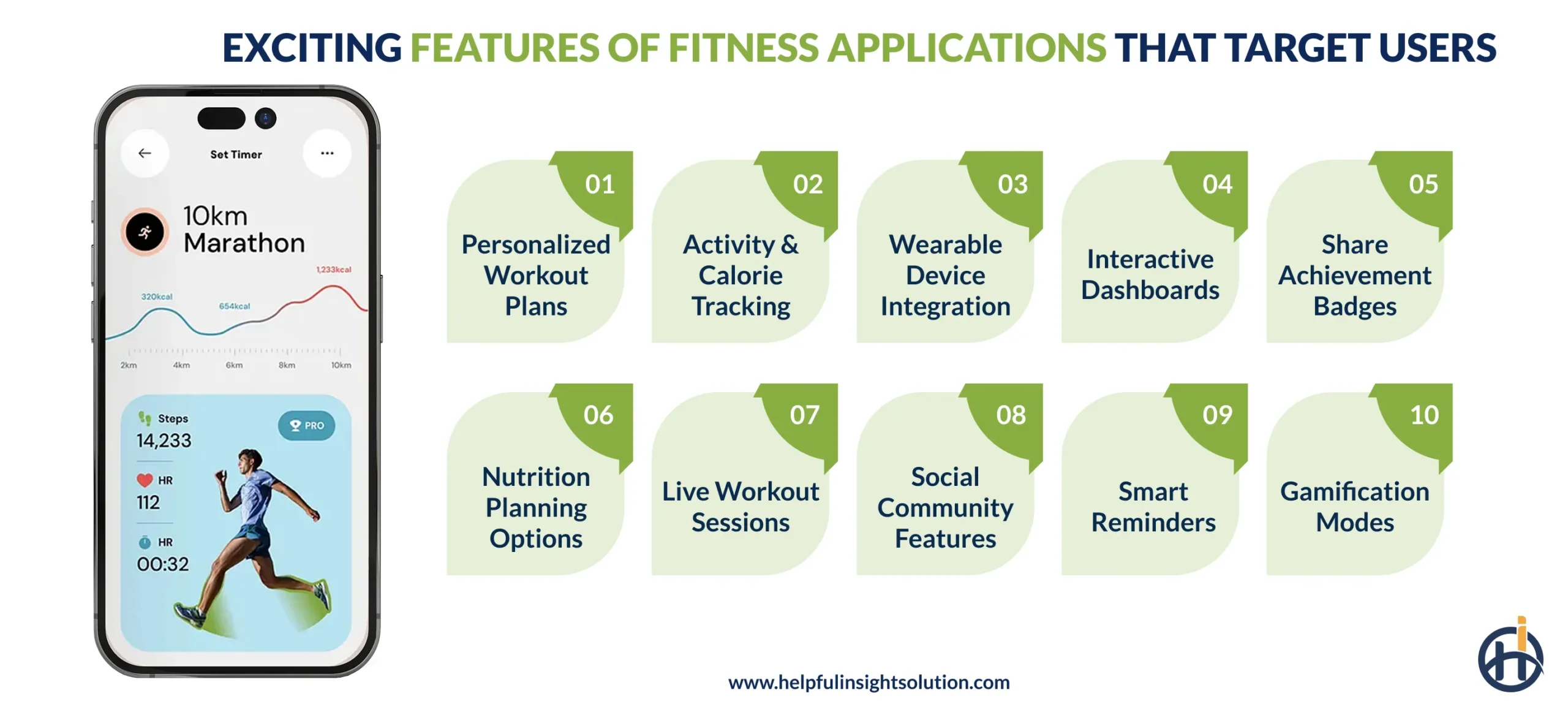
Businesses can increase fitness app engagement by adding user-centric and advanced wellness features. Here, we will explore some of the best fitness app features that you can include :
-
Personalized Workout Plans
AI-driven workout plans adapt to individual fitness levels, goals, and progress through personalization in fitness apps. Users receive tailored routines that evolve with their performance and preferences.
-
Activity & Calorie Tracking
A fitness app like MyFitnessPal automatically tracks daily activities, steps, calories burned, and workouts in real time. This helps users stay aware of their progress and maintain healthy habits.
-
Wearable Device Integration
Users get integrated smartwatches and fitness bands that enable accurate health data monitoring. They can easily monitor heart rate, sleep, and activity without manual input by tracking the variance data.
-
Interactive Dashboards
Visually engaging dashboards display fitness app growth strategies and metrics through charts and graphs. Users can easily analyze performance trends and goal achievements through pictorial datasets.
-
Share Achievement Badges
People earn badges for achieving milestones and completing challenges that can be shared socially. This boosts motivation among users through recognition and friendly workout competition.
-
Nutrition Planning Options
Personalized meal plans and calorie recommendations support fitness goals that increase fitness app user retention. Users can track food intake, maintain a balanced diet, and perform fitness activities.
-
Live Workout Sessions
Live-streamed workout classes connect users with professional trainers in real time, increasing fitness app engagement metrics. This feature enhances engagement, accountability, and workout effectiveness.
-
Social Community Features
Built-in communities allow users to connect, share progress, and encourage one another. The fitness app marketing and social interaction ensure motivation with long-term fitness commitment.
-
Smart Reminders
Automated reminders notify users about workouts, hydration, and meal times at regular intervals. The use of AI in fitness industry develop helps users stay consistent and build healthy diet routines.
-
Gamification Modes
Challenges, points, and leaderboards make fitness activities fun and rewarding for users. Gamified experiences encourage customers to stay active and achieve wellness goals consistently.
Top Strategies to Increase Fitness App Engagement
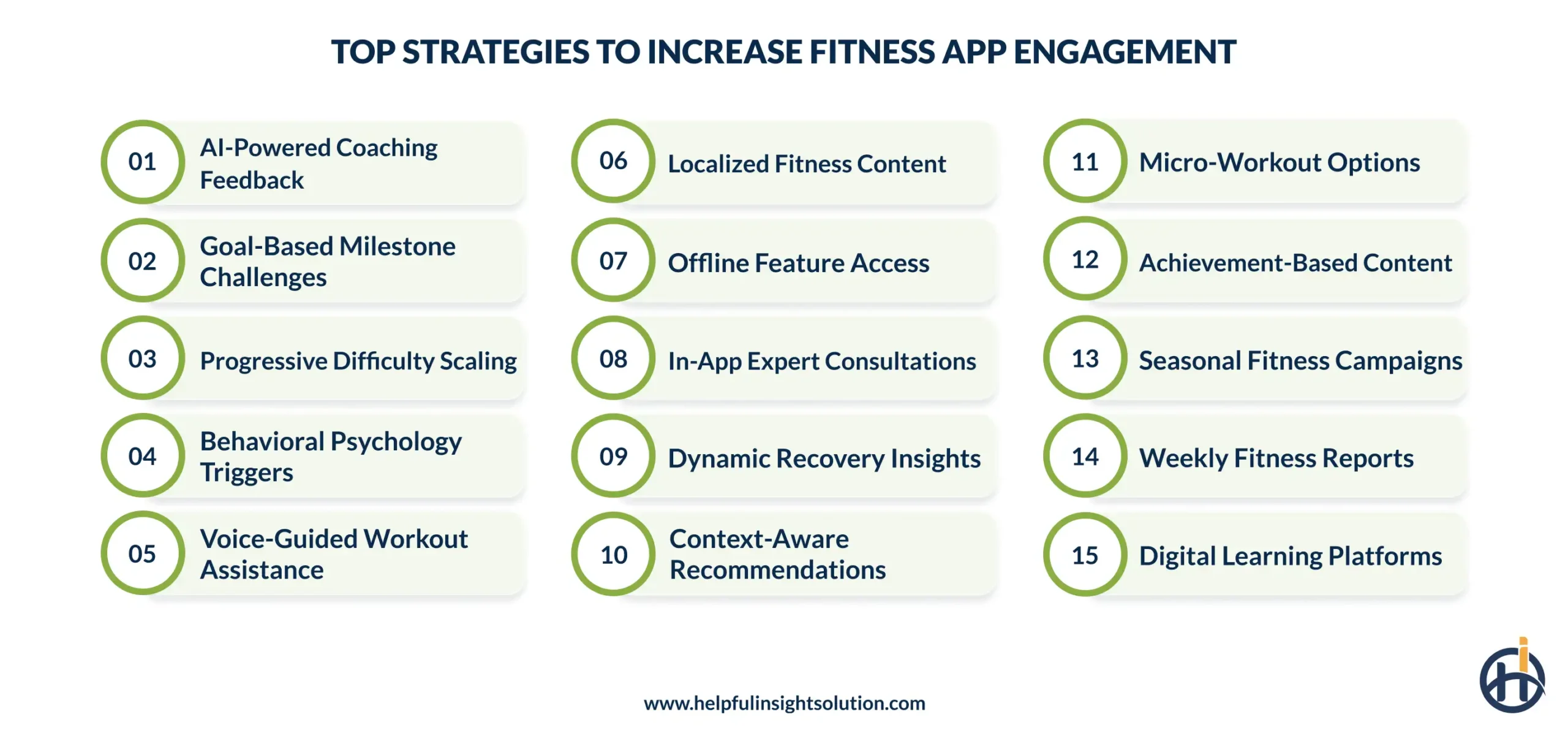
In this section, we will study the best fitness app user engagement tips with an example for each. Entrepreneurs can implement one or more strategies based on their requirements and user needs:
-
AI-Powered Coaching Feedback
AI-powered coaching feedback delivers real-time workout guidance based on user performance and behavior. It analyzes movement patterns, effort levels, and progress to provide actionable suggestions. This smart feedback helps users correct form, stay motivated, and reduce injury risks. As a result, users experience more effective training sessions and personalization in fitness apps.
Example: Freeletics uses AI to analyze workout performance and recovery data, then delivers personalized coaching feedback that adapts training plans in real time, keeping users motivated and accountable.
-
Goal-Based Milestone Challenges
Goal-based milestone challenges encourage users to stay consistent by breaking fitness goals into achievable steps. These engagement metrics for fitness apps unlock rewards, badges, or new content to maintain motivation. This gamified approach creates a sense of accomplishment and forward momentum. Users remain engaged as they work toward long-term fitness success.
Example: Nike Training Club engages users through milestone-based challenges like completing a 4-week strength plan, rewarding consistency, and goal achievement.
-
Progressive Difficulty Scaling
Progressive difficulty scaling adjusts workout intensity as users improve their fitness levels. It prevents plateaus by gradually introducing more challenging exercises or routines. This adaptive progression keeps workouts effective without overwhelming beginners. The best workout apps for women allow them to stay engaged by continuously seeing growth and improvement.
Example: Fitbod automatically increases workout intensity as users gain strength, ensuring progressive overload without overwhelming beginners.
-
Behavioral Psychology Triggers
Behavioral psychology triggers leverage motivation techniques such as reminders, streaks, and positive reinforcement. These triggers influence habit formation by rewarding consistency and commitment. Timely nudges help users return to the app and complete workouts. It is one of the best strategies to increase engagement in fitness apps through behavioral consistency.
Example: MyFitnessPal leverages streaks, reminders, and habit-forming notifications to trigger consistent logging behavior and long-term engagement.
-
Voice-Guided Workout Assistance
Voice-guided workout assistance provides hands-free, real-time instructions during workouts. It enhances focus by allowing users to follow guidance without checking screens. The use of fitness mobile app engagement strategies helps businesses improve exercise accuracy and pacing. This feature creates a more immersive and accessible workout experience.
Example: Peloton’s live and on-demand voice coaching creates a highly immersive experience, helping users stay focused and emotionally connected during workouts.
-
Localized Fitness Content
Localized fitness content tailors workouts, language, and wellness tips to regional preferences. It considers cultural habits, climate, and fitness trends specific to a location. Businesses can integrate fitness app growth strategies with personalization, which makes the app more relevant and relatable. Users are more likely to engage with content that matches their daily lifestyle.
Example: Cult.fit provides region-specific workouts, trainers, and language options, making fitness more culturally relevant and engaging for local users.
-
Offline Feature Access
Offline feature access allows users to download workouts and track progress without internet connectivity. This ensures uninterrupted fitness routines during travel or low-network conditions. Users can maintain consistency regardless of their location and choices. You must know how to retain users in fitness apps to improve user satisfaction and long-term app usage.
Example: Down Dog allows users to download yoga sessions for offline access, ensuring uninterrupted workouts without internet dependency.
-
In-App Expert Consultations
In-app expert consultations connect users with certified trainers, nutritionists, or wellness coaches in real time. These sessions provide professional guidance and personalized advice to users at affordable rates. An app like Aaptiv provides direct access to experts that increases trust and perceived value. Users remain engaged by receiving tailored support within the fitness app.
Example: BetterMe integrates health coaches and nutrition experts within the app, enabling personalized consultations that increase trust and retention.
-
Dynamic Recovery Insights
Dynamic recovery insights analyze workout intensity, sleep, and activity data to suggest optimal rest periods. This helps users avoid overtraining, reduce fatigue, and overcome mental pressure. Personalized recovery recommendations enhance overall performance that increases fitness app user retention. People feel supported in achieving balanced and sustainable fitness goals in their daily routine.
Example: WHOOP delivers daily recovery scores based on sleep, strain, and heart rate variability, helping users balance effort and rest intelligently.
-
Context-Aware Recommendations
Context-aware recommendations adapt workout sessions based on time, location, weather, or user activity levels. This ensures suggestions remain practical and relevant for users throughout the day. Smart adaptability is one of the best fitness app retention strategies that improves user convenience and engagement. Users benefit from fitness guidance that fits their real-world activities.
Example: Google Fit uses device sensors and daily activity patterns to recommend workouts based on user movement, time availability, and location.
-
Micro-Workout Options
Micro-workout options offer short and high-impact routines for users with busy schedules. These quick sessions make fitness more accessible and less complicated due to live expert interactions. With fitness app marketing, businesses can allow users to stay active even with limited time. This flexibility encourages frequent app usage and overall consistency in revenue growth.
Example: Seven offers short, 7-minute workouts app designed for busy users, lowering entry barriers and boosting daily engagement.
-
Achievement-Based Content
Achievement-based content unlocks advanced workout programs, fitness training sessions, or insights as per the user’s progress. This rewards effort and encourages continued participation in various wellness activities. Personalized content and achievements are the top fitness app engagement metrics that enhance motivation. Users stay engaged with online fitness platforms to get exclusive fitness experiences.
Example: Strava unlocks badges, leaderboards, and exclusive content when users achieve fitness milestones, reinforcing motivation through recognition.
-
Seasonal Fitness Campaigns
Seasonal fitness campaigns align daily fitness workouts and challenges with specific time zones in a particular year. They offer various goals like summer fitness or holiday wellness based on user preferences. A fitness app like Hevy provides fresh themes that ensure exciting wellness content. Users always remain engaged through dynamic and relevant fitness campaigns.
Example: Apple Fitness launches seasonal challenges like New Year fitness goals or summer activity streaks to re-engage users throughout the year.
-
Weekly Fitness Reports
Weekly fitness reports summarize user activity, progress, and achievements in an easily understandable format. These retention tips for fitness app users help them track improvements in fitness levels and identify areas for consistent growth. Regular feedback reinforces accountability of mobile app features. Users stay motivated by visualizing their fitness journey through graphical data.
Example: Garmin Connect provides detailed weekly performance summaries, helping users track progress and make data-driven fitness decisions.
-
Digital Learning Platforms
Digital learning platforms provide educational content on fitness, nutrition, wellness, and meditation. They empower users with knowledge to make informed healthcare decisions with advanced technologies. Interactive learning enhances long-term fitness app user retention beyond workout programs. Users value fitness apps that support both physical and educational growth.
Example: Les Mills On Demand offers structured fitness education, technique tutorials, and program-based learning to deepen user knowledge and loyalty.
Major Challenges in Reaching Global Customers
It is difficult to get fitness app engagement in the present time, as there are multiple challenges that you will face. Let’s discuss those challenges with their specific solutions in this section:
-
Demographic Differences
With cultural and traditional differences, it is difficult to propagate fitness app services in the market. It is not possible to implement services for all in a single platform, as the development cost is high.
Solution: Target common preferences to easily implement fitness app growth strategies in the region.
-
Local Content Adaptation
Most people prefer foreign goods, like sports shoes and wearables, due to their authenticity and high reliability. This leads to a decrease in local merchandise sales, leading to an economic decline.
Solution: Increase user engagement in fitness apps by encouraging local products through marketing.
-
Data Privacy & Regulations
As fitness apps are commonly accessible from anywhere, they are vulnerable to security risks. Most countries allow user data exchange without any strict regulations or privacy compliance.
Solution: You must hire sesicared developers who can implement security algorithms for safety.
-
Device & Network Compatibility
Some fitness apps do not support various operating systems and mobile devices. Additionally, they are not compatible with the system versions and do not support network connectivity services.
Solution: Use the 5G connection model and work on the latest fitness app engagement metrics.
-
Growing Competitive Market
Fitness & wellness is a common domain, allowing multiple entrepreneurs to start their business online. This increases the overall market competition and decreases the available resources for development.
Solution: Contact experts to know how to build a fitness app that stands out at the lowest rates.
Let’s Summarize!!
The list of fitness app growth strategies may be longer, but the one that we have discussed in this blog is enough to understand user pain points and industry requirements.
To increase user engagement in fitness apps, business investors should focus on enhancing the overall productivity and efficiency of the platform through the implementation of modern technologies.
You can go through the business and revenue models of the best weight loss apps to improve the retention rate and engage new customers. These are the best strategies to increase engagement in fitness apps that ensure profit and growth.
So, it is highly recommended to implement the above fitness app engagement models to increase your brand value and visibility.
Frequently Asked Questions
IoT-enabled fitness devices are one of the best methods to attract millions of users from across the world. They help people track their daily fitness activities, workout sessions, and diet plans to improve their overall healthcare level.
Additionally, they keep medical records, monitor calories, and provide notification alerts with high accuracy.
To ensure a high user retention rate, some crucial security measures must be implemented. The key methods for data privacy are discussed as follows:
- 2-Factor Authentication: Users have to pass a 2-stage verification process before login.
- Biometrics: Their information, such as facial expression, voice, and fingerprints are recorded.
- Pattern Recognition: A pattern is displayed to calibrate the app before using features.
For delivering affordable fitness app features, it is important to reduce the cost of developing a mobile app. Here are some important reducing methods that entrepreneurs should know:
- Use third-party services for API integration, cloud deployment, and mobile app testing.
- List temporary resources to reduce additional cost and resolve technical errors.
- Develop an MVP model to identify necessary features and the tech stack.
Mobile app maintenance is important to engage users for a long time through feature updates, bug fixing, and enhanced productivity. It is calculated as 15% to 20% of the original development cost, which can be influenced by market standards. For a $10,000 project, the cost to maintain an app is between $1,500 and $2,000 that is variable.
Loyalty programs or reward-based earnings are one of the best ways to increase user engagement. The role of this feature is described in the following manner:
- It offers multiple discounted deals and offers on various fitness products.
- People get various personalized coupons, targeting different brands or categories.
- Users can generate revenue by referring the app to their friends and family.