

Key Takeaways:
- Machine learning in medicine ensures faster disease detection, personalized treatment, drug discovery, and clinical decision-making.
- ML helps hospitals or clinics to improve diagnostic accuracy, reduce operational costs, optimize resources, and enhance patient outcomes.
- It is crucial to define problem statements, collect quality data, select the right ML models, integrate with legacy systems, and track performance.
- An ML-enabled healthcare solution must ensure data privacy, regulatory requirements, explainability, and cybersecurity to ensure safe deployment.
Healthcare is among the top industries that adopt modern technologies and innovations, like chatbots, automated diagnosis systems, and predictive platforms, faster. This digital transformation modernizes clinical procedures, enhances patient care, and boosts real-time data management.
With machine learning in healthcare, medical teams can easily analyze image patterns, detect unauthorized patient data access, and provide personalized treatment plans. With AI in EHR systems, billing software, insurance portals, and inventory platforms, hospitals and clinics have seen major operational transformation.
According to OmniMD, 66% of US doctors use machine learning tools in their daily practice. Additionally, 81% of urban hospitals in the USA have implemented AI-driven platforms, but in rural medical centers, this value is 50%. Till now, the FDA has approved 1,356 AI medical tools for patient outcome testing and monitoring.
This shows that the ML-focused healthcare industry has great potential for modern evolution. In this blog, we will discover various use cases, benefits, and the implementation of machine learning for medicine. So, let’s begin exploring these insights with some challenges and examples.
What is machine learning in healthcare?
Machine learning for healthcare helps to find patterns in medical data, allowing doctors to diagnose illnesses, predict health trends, and choose treatments. ML-powered systems learn from large datasets such as scans, test results, and patient files to support medical care. In this section, we will first discuss the current machine learning-focused healthcare market and then describe the major differences between AI technologies in healthcare.
Growing ML-driven healthcare market
The healthcare industry is one of the fastest-growing sectors due to technical innovations, creating multiple opportunities for investors. The key market stats and figures are described as follows:
- In the AI-powered healthcare market, machine learning has a share of 36.8%, involving multiple learning models.
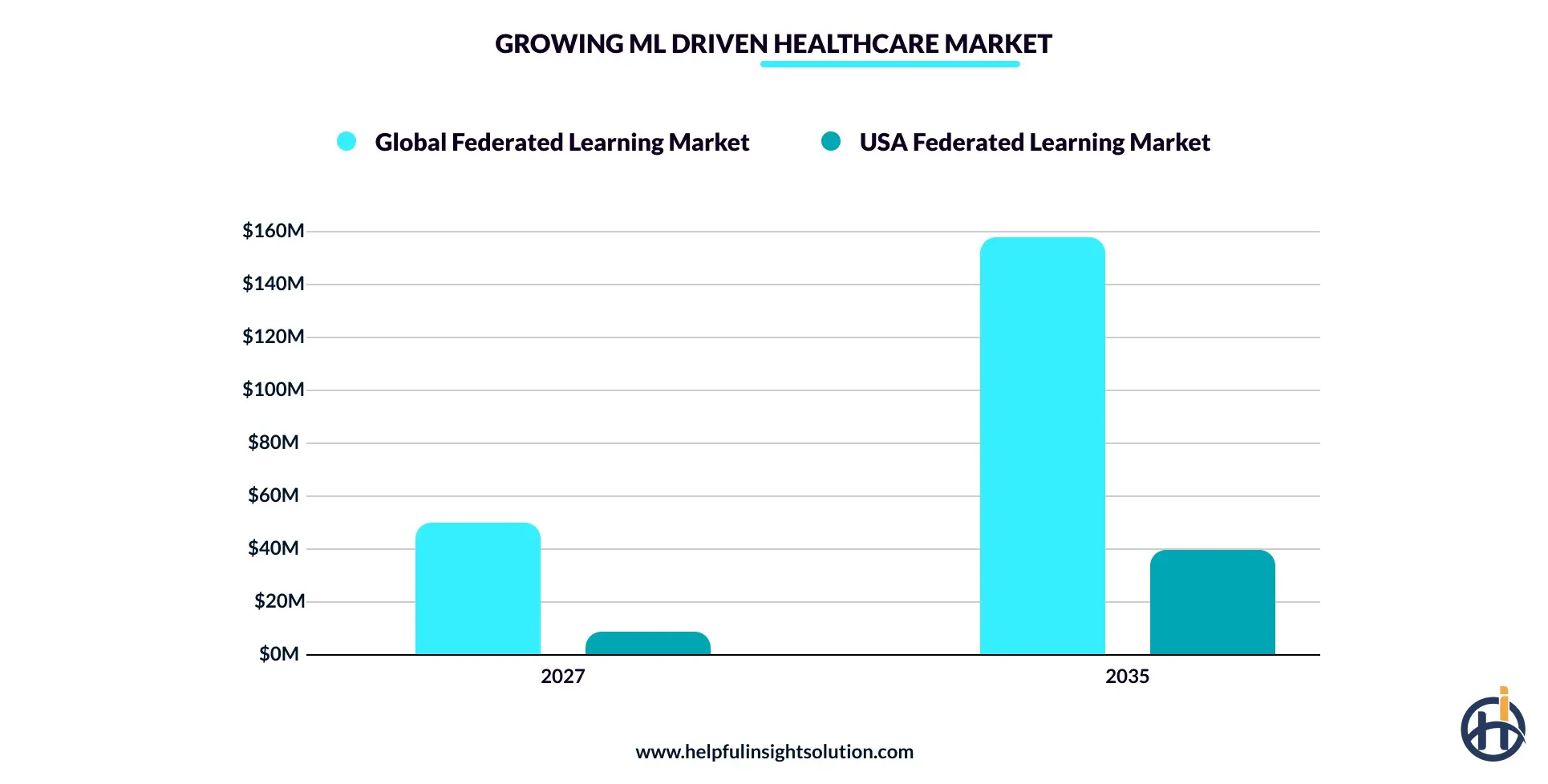
- The federated learning in the healthcare market will have a revenue of $48.4 million in 2027, which will reach $159.1 million by 2035.
- Hospitals and pharma companies have respective shares of 40% and 28% in this machine learning-based healthcare segment.
- In the USA, it is rapidly growing at a 16.4% CAGR and will reach $39.4 million in 2035 from $11.7 million in 2027.
ML vs. AI vs. Generative AI vs. Computer Vision
According to experts, AI in healthcare is a broader term and includes machine learning, generative AI, and computer vision. Let’s understand how each one differentiates through the following table.
| Parameter | AI | Machine Learning | Generative AI | Computer Vision |
| Definition | Broad field enabling machines to mimic human intelligence and decisions | A subset of AI that learns patterns from data to make predictions | Subset of AI/ML that creates new content based on learned patterns | A subset of AI/ML focused on interpreting visual data |
| Core function | Simulates reasoning, problem-solving, and surgeries | Identifies patterns and predicts outcomes from structured/unstructured data | Generates text, images, or synthetic data from prompts | Detects, classifies, and analyzes images or video |
| Data type used | Any data type like text, images, numbers, sensors | Structured and labeled datasets like patient records | Large text, image, or multimodal datasets | Medical images, scans, and video feeds |
| Example use case in healthcare | Virtual health assistants and clinical decision support systems | Disease risk prediction and patient risk scoring | Drafting clinical notes or generating synthetic training data | Detecting tumors or anomalies in radiology scans |
| Output type | Decisions, recommendations, or automated actions | Predictions, classifications, or risk scores | New, original content (text, images, data) | Visual annotations, detections, or classifications |
Types of machine learning used in healthcare
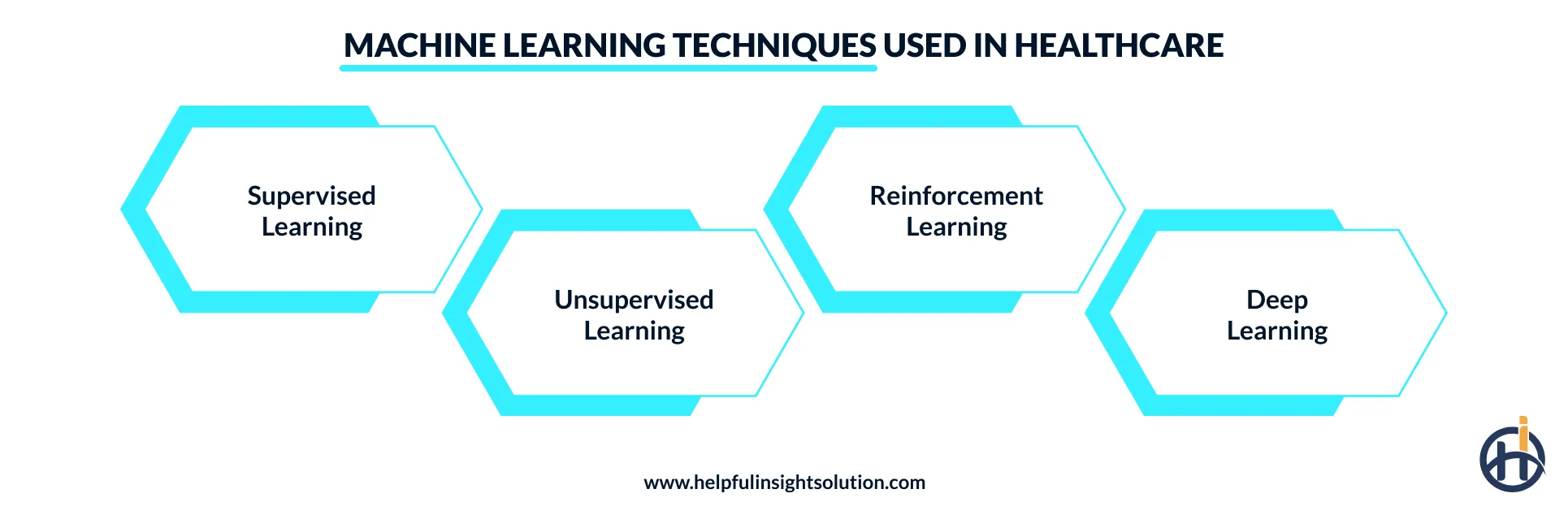
Various types of machine learning models for healthcare are used extensively at hospitals and clinics. They help in performing different tasks like diagnosis prediction, treatment optimization, risk scoring, and imaging.
1. Supervised learning
Supervised learning uses the past patient record to train models for the prediction of diagnoses or computation of risk scores for future patients. These models are designed to enable the identification of patients at high risk of disease or poor outcomes before the identification of significant symptoms.
2. Unsupervised learning
Unsupervised learning systems evaluate unlabeled health data to discover hidden patterns or cluster patients into new phenotypic diseases. A common use is to discover novel patients, detect anomalies in bills, and track clusters of symptoms related to rare conditions.
3. Reinforcement learning
In machine learning development, reinforcement models perform actions, observe immediate effects, and revise robotic adjustment pathways through simulated trial and error. It helps to optimize drug dosages and treatment plans for patients by observing individual responses over an extended period.
4. Deep learning
Deep learning involves models of multiple hierarchical artificial neural networks to represent raw high-dimensional data such as medical images or genomic information with accuracy. Applications include the identification of tumors or lesions on medical scans or genes associated with disease risk.
Top machine learning use cases in healthcare
Machine learning in healthcare allows doctors to improve patient care through automated diagnosis and treatment. We will cover the best ML use cases in medicine with their key applications in this section.
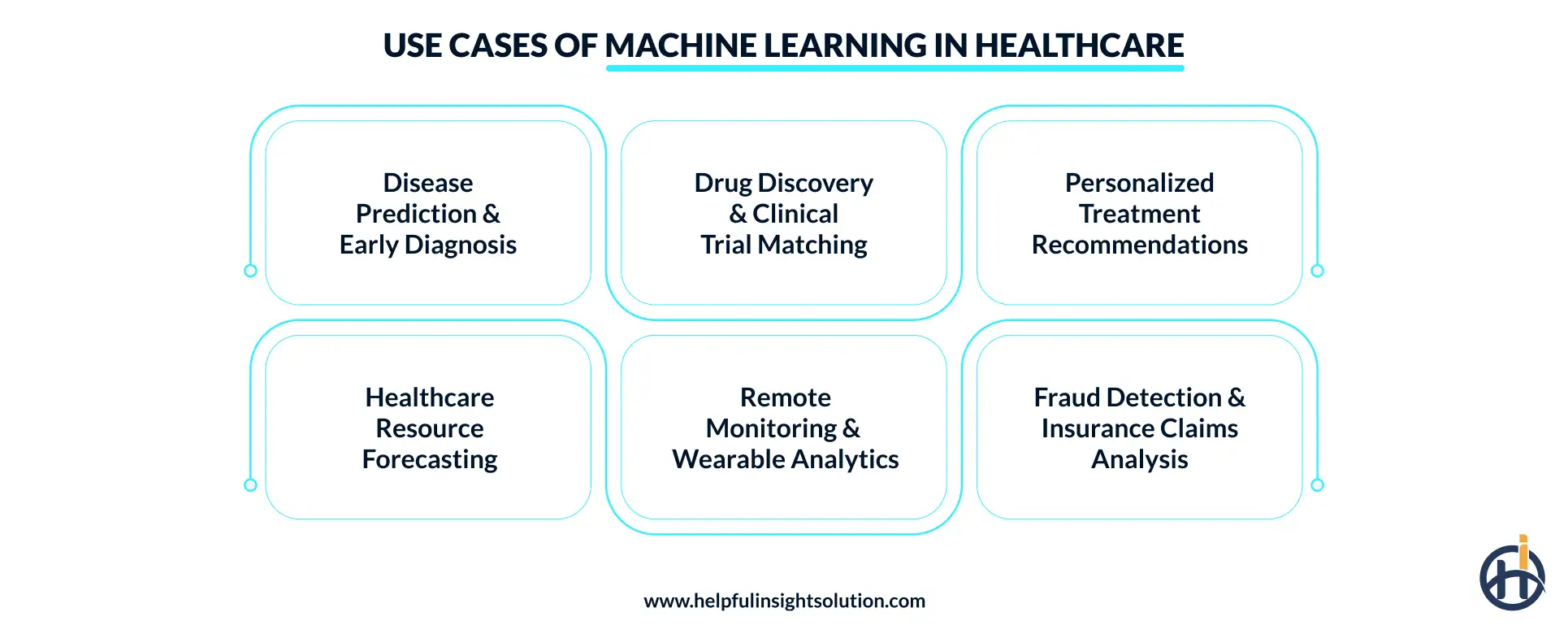
1. Disease prediction & early diagnosis
The use of ML and AI in medical imaging allows doctors to assess patient history, lab results, and symptoms to provide early disease risk predictions much earlier than symptoms occur. This allows for initial medical intervention and a decrease in treatment costs associated with late diagnoses.
- Detects subtle patterns invisible to traditional manual clinical assessment methods.
- Improves long-term survival rates through earlier-stage disease intervention timing.
2. Drug discovery & clinical trial matching
Machine learning can speed up drug discovery by predicting how a certain molecule will behave in response to an organism through simulation and reducing research time and costs. It also matches patients who meet protocol requirements with effective clinical trials based on their records and the trial criteria.
- Cuts years off traditional pharmaceutical research and development timelines significantly.
- Increases trial enrollment efficiency by automating complex patient-criteria matching processes.
3. Personalized treatment recommendations
Patient-specific treatment plans are among the major machine learning applications in healthcare that can be determined based on genetic profile, patient history, and dosage response. With this, patients can be prescribed personalized therapies rather than standard processes, maximizing overall experience.
- Reduces adverse drug reactions through individualized dosage and therapy selection.
- Improves treatment adherence by aligning care plans with patient lifestyle.
4. Healthcare resource forecasting
The machine learning utilizes historical trends and seasonal patterns to determine expected admissions, staffing requirements, and demands for equipment. This technology enables hospitals to distribute necessary resources that minimize bottlenecks and support their operations efficiently.
- Prevents costly overstaffing or understaffing during unpredictable patient demand surges.
- Optimizes hospital budget allocation through accurate, data-driven operational planning decisions.
5. Remote monitoring & wearable analytics
Advanced ML models run on real-time wearable data that sense abnormal vital signs, allowing for the early prevention of patients suffering from chronic diseases. This facility supports continuous, proactive care beyond traditional hospital settings, preventing personal visits.
- Reduces hospital readmission rates through continuous, real-time patient health tracking.
- Expands healthcare access for patients in rural or underserved locations.
6. Fraud detection & insurance claims analysis
Machine learning identifies unusual billing patterns and anomalies in insurance claims, helping healthcare organizations detect fraudulent activity before claims are processed. This merger of machine learning and healthcare reduces financial losses while streamlining the overall claims review process.
- Strengthens payer trust by ensuring accurate, transparent claims processing systems.
- Accelerates legitimate claims approval by automatically filtering out suspicious submissions.
How to implement machine learning models in healthcare?
Businesses can implement machine learning in healthcare through a systematic and certified approach. From data collection to platform monitoring, we are discussing key steps with detailed information.
1. Data collection & labeling
Raw data is collected from a variety of sources, including EMRs, radiology image software, wearables, and lab results, taking extra measures to safeguard sensitive patient information.
A clinician annotates the raw data to create real diagnoses, outcomes, and patient conditions from which the model can learn. Without sufficient quality annotated data, the complete model is not reliable or clinically effective.
2. Model training & validation
ML models can easily read the dataset and adjust parameters until prediction mistakes have been reduced. Then the trained model works on a new dataset that it has never seen before by calculating the overall performance.
The AI development services involve iterations with the goal of identifying any issues, like overfitting, to make sure the model will be reliable for all patients.
3. Regulatory compliance
The ML-enabled healthcare model follows various industry regulations, such as HIPAA, to ensure data privacy and get FDA approval to make faster decisions.
All processes, from development to deployment, including usage and regulatory controls, need to be well-documented to get FDA clearance. Through continuous audits, AI/ML in healthcare can be easily enforced with legal compliance.
4. Deployment & continuous monitoring
These models are added to workflows, such as an electronic health record or a diagnostic test, to assist healthcare decisions. After deployment, models are continuously assessed to evaluate performance based on the shift in patient populations and clinical practice standards throughout usage. The model should be retrained on new data on a regular basis for continued accuracy, safety, and relevance.
Benefits of machine learning for healthcare
ML in healthcare helps medical professionals to make faster clinical decisions, reduce errors, and increase scalability. Here, we are going to discuss some crucial business advantages of this automated technology.
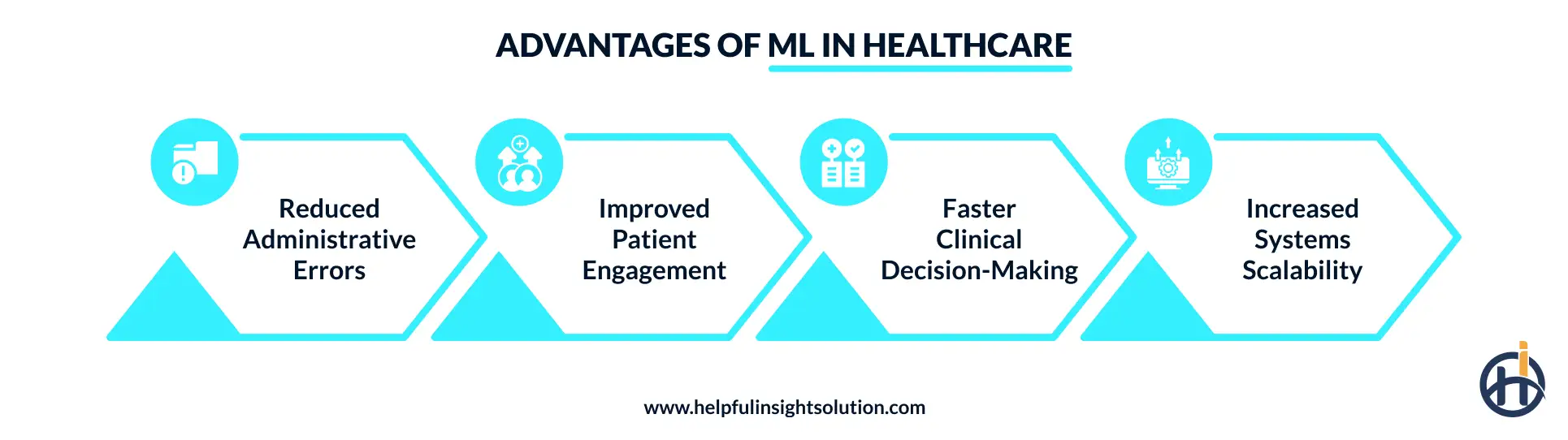
1. Reduced administrative errors
Machine learning can immediately identify issues with billing, scheduling, and documentation to prevent errors or compliance fines across the system. That removes human error from recurring administrative duties and helps employees concentrate on their main roles.
2. Improved patient engagement
ML insights empower providers to share better, timely communications, informed by individual patients and imaging patterns. By leveraging machine learning for healthcare applications, providers can enhance patient trust, ensure healthcare compliance, personalize treatment plans, and boost overall engagement.
3. Faster clinical decision-making
With the help of AI chatbots in healthcare, hospitals can easily analyze patient records, lab tests, diagnosis reports, and images instantly with detailed information. This ensures clinicians have better and more informed knowledge that leads to quicker data handling at the right time in the workflow.
4. Increased systems scalability
Instead of relying on rigidly structured rule-based software, ML can easily adapt and scale with increasing patient volume without costly system-wide retrofits. This facility makes the IT infrastructure far more versatile, dynamic, flexible, and future-proof for doctors.
Real-world examples: Healthcare apps using ML
Nowadays, most healthcare platforms use ML to analyze data, make decisions, and ensure faster recovery. In this section, we will study various health monitoring systems using machine learning for better patient care.
1. Tempus
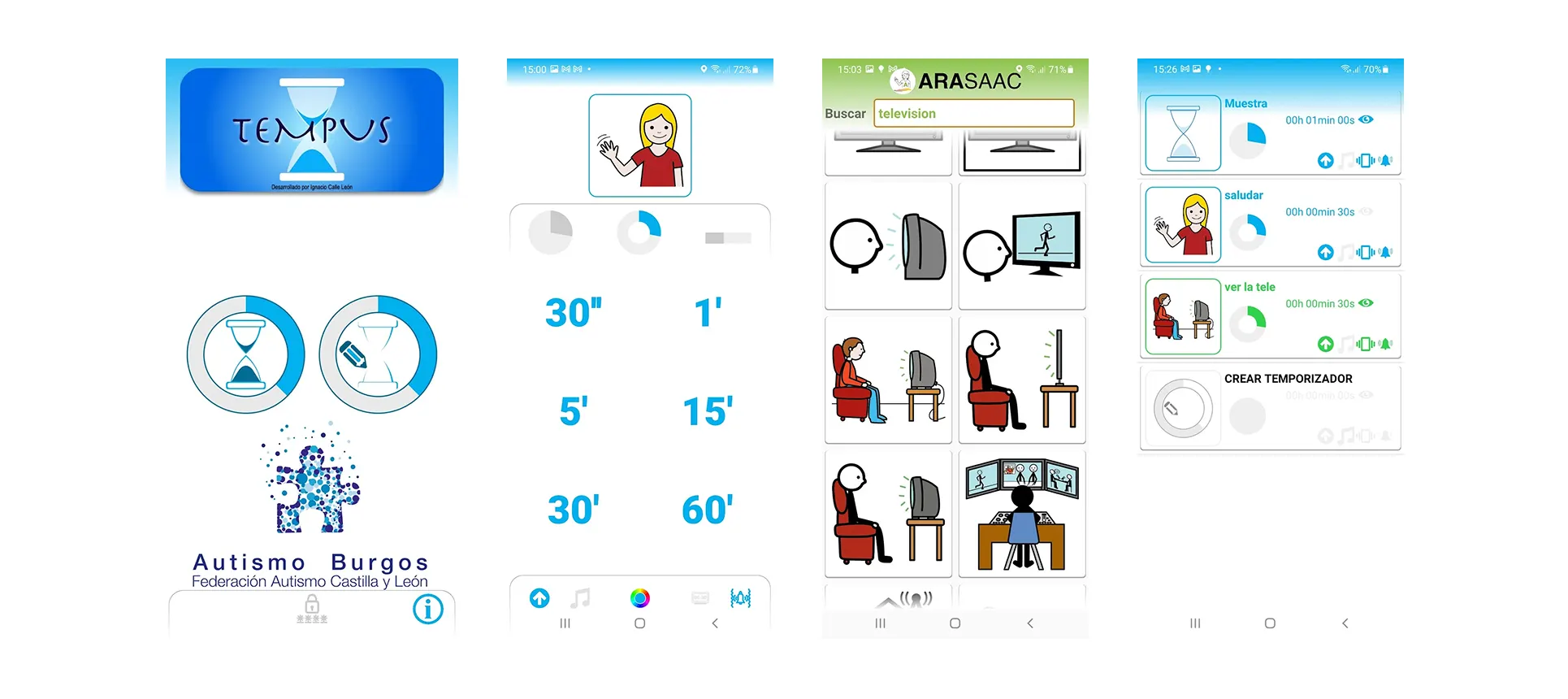
Tempus uses AI to drive healthcare precision forward by putting one of the largest collections of multimodal clinical and molecular data into practice. This data is helping physicians to make more precise and personal treatment decisions for patients in oncology, genomics, and medicine.
Key feature: This platform provides a clinical trial matching program for eligible patients to find appropriate cancer trials based on genomic data.
2. PathAI
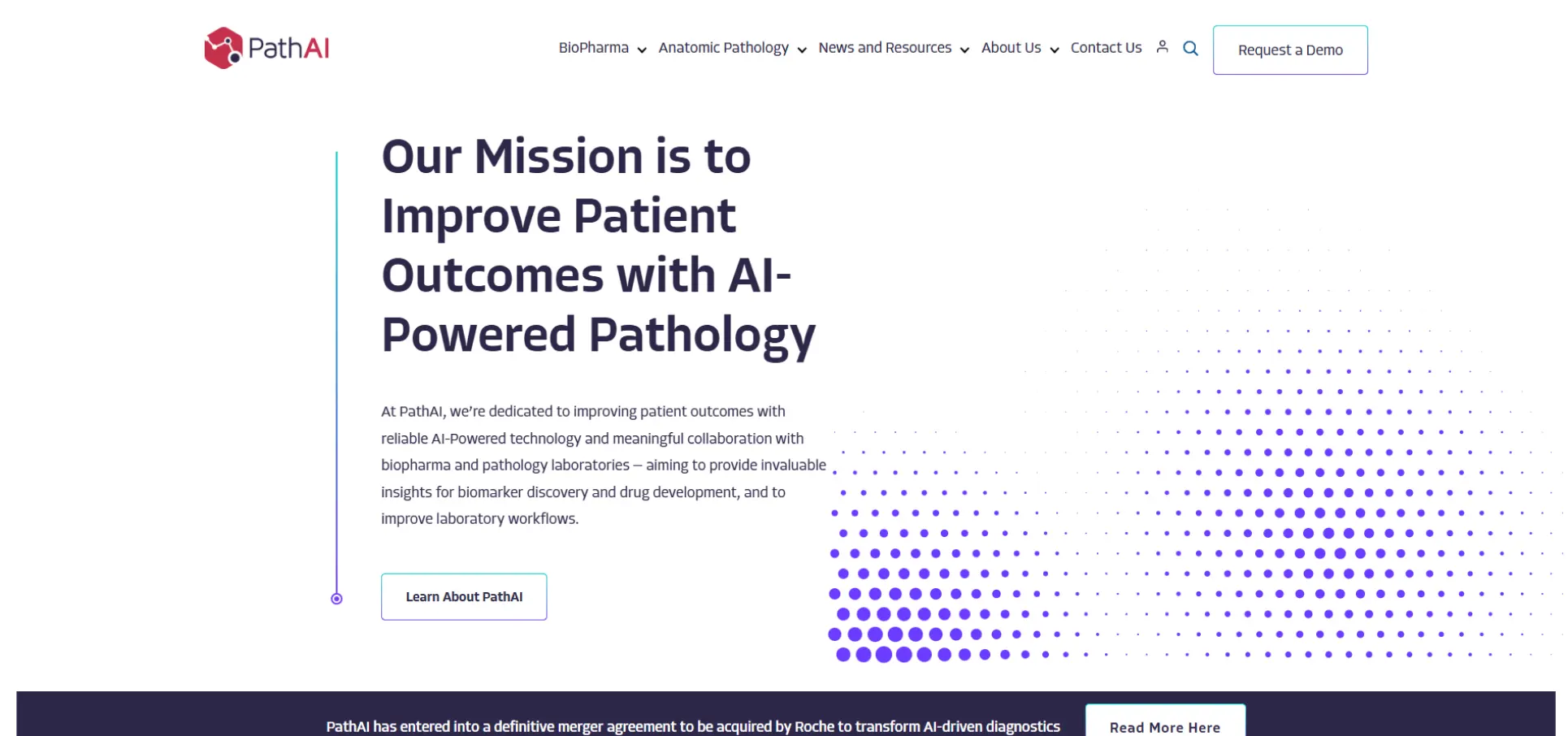
PathAI is an ML-driven pathology platform that applies deep learning and computer vision to automate the examination of samples and help pathologists make faster decisions. The experts can scan and diagnose disease, particularly in oncology, to remove data ambiguity from clinical observations.
Key feature: It offers AI-driven tools for quality assurance that lead to standard lab diagnostic reports across multiple pathology sites.
3. Podimetrics
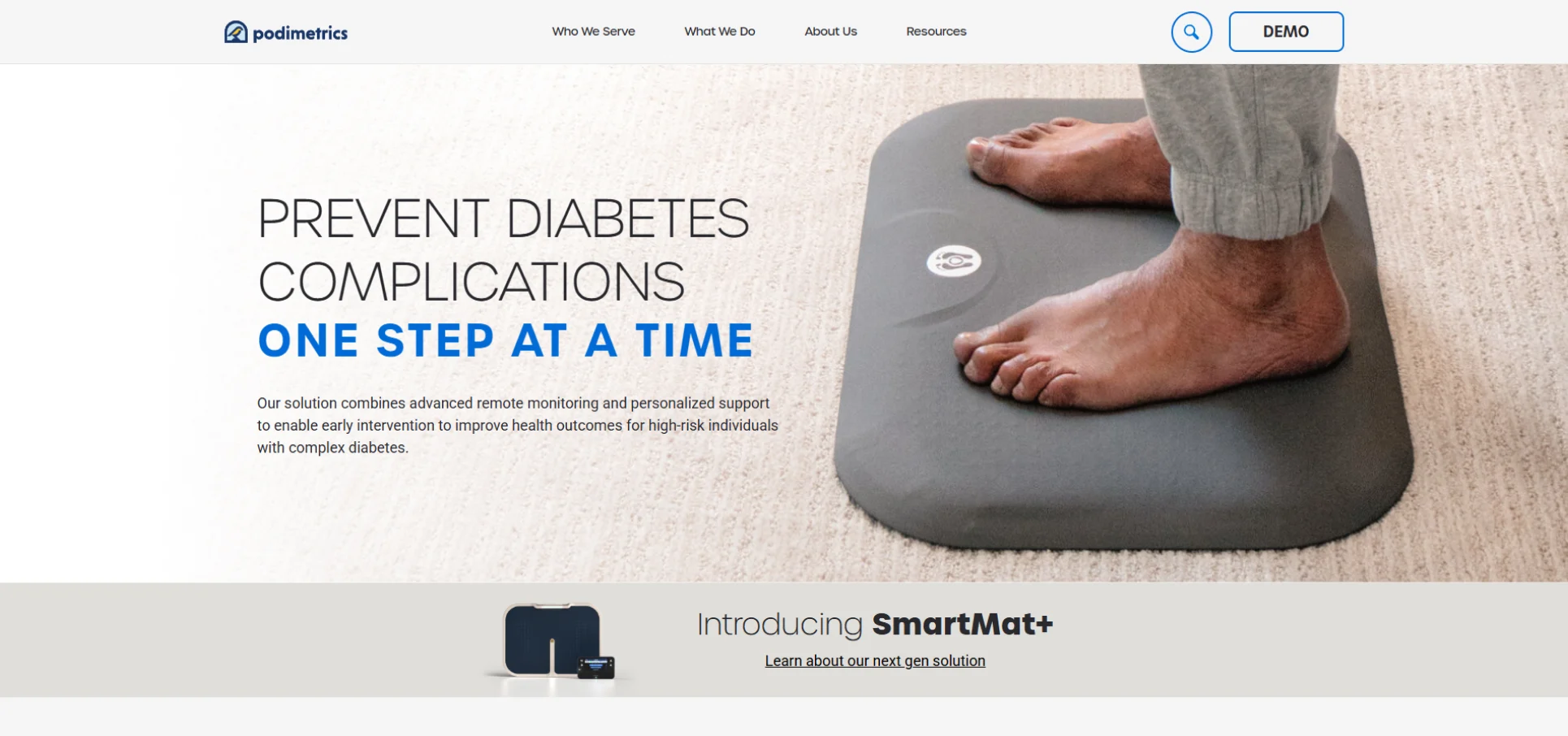
Podimetrics is a remote monitoring system that detects early-stage temperature changes through a smart mat and machine learning, detecting foot ulcers in real-time. This helps to reduce hospitalizations and predict diabetes-related amputation costs for patients.
Key feature: The automatic care team alerts identify ulcers as risk factors, so patients are treated before they need hospital intervention.
Machine learning integration challenges in healthcare
While integrating machine learning in medicine, businesses may face multiple challenges, such as data security. So, in this section, you will observe some common ML-driven risks with their respective solutions.
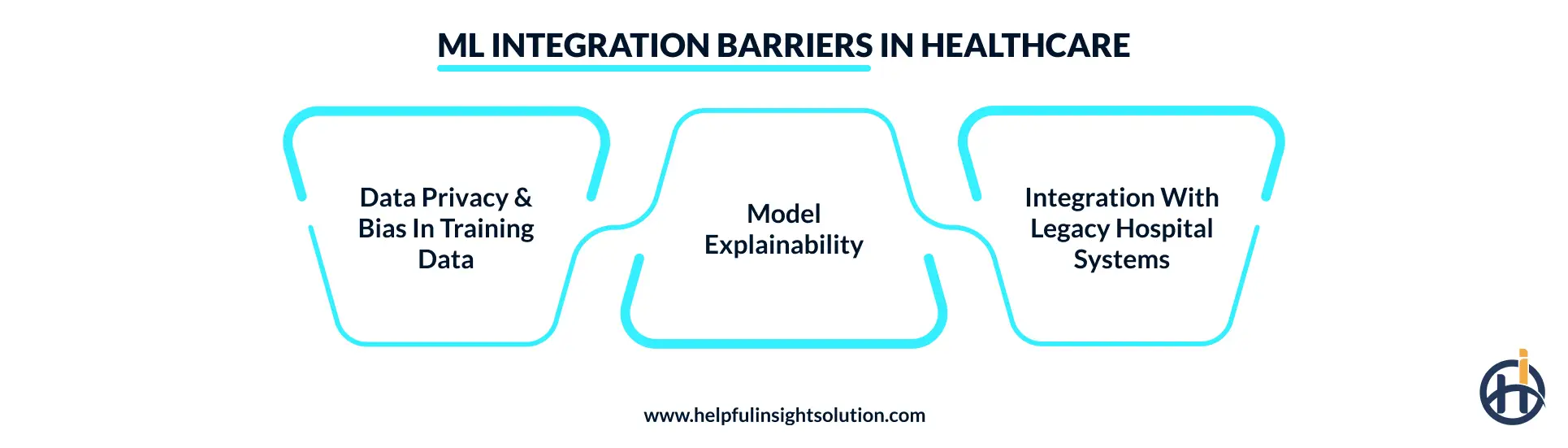
1. Data privacy & bias in training data
The exposure of sensitive medical information, following strict privacy laws, and cross-referencing anonymous patient data are the major risks. Also, unequal access and flawed labeling increase the bias in the training data. This can lead to data breaches and inaccurate medical diagnoses due to unidentified patient groups.
Solution: It is beneficial to use federated learning to train AI models across decentralized servers without migrating the patient data, ensuring safety and compliance.
2. Model explainability
Black boxes are complex deep learning algorithms that deliver high-accuracy diagnoses without any clinical reasoning. This affects clinician trust, complicates liability, and conflicts with medical ethics and regulatory demands. As a result, doctors may dismiss accurate predictions or trust on flawed data, raising the risk of medical errors.
Solution: Businesses can use tools like SHAP and LIME to highlight patient variables and design hybrid architectures that provide accurate clinical predictions.
3. Integration with legacy hospital systems
This includes outdated electronic health record (EHR) platforms, proprietary data silos, and a lack of interoperability standards. Legacy systems use fragmented formats and custom database schemas decreasing processing speed. It can increase upfront costs, technical complexities, and machine learning pipeline inefficiencies.
Solution: Hospitals must deploy FHIR-based middleware translation layers that help to standardize medical data and deliver ML-ready web APIs.
Future machine learning trends in healthcare
The collaboration of healthcare and machine learning is giving rise to modern innovations that assist medical professionals in enhancing patient care.
In the future, generative clinical scribes, accelerated drug discovery, and hyper-personalized treatments will deliver more accuracy and increased efficiency. Here, we will see some important future ML trends that will occur in the healthcare domain.
- Multimodal AI integration: AI models can easily combine multiple data types, such as radiology images and genomic data, to mimic healthcare activities.
- Predictive wearables: The use of predictive analytics in healthcare helps to analyze data gathered from IoT and wearable devices.
- Explainable AI: Various ML algorithms will be capable of reasoning about healthcare outputs, such as lab reports, medical images, and EHRs.
- Generative clinical scribes: NLP will help to transcribe doctor-patient interactions, draft medical notes, and handle discharge summaries.
- Robotic surgery intelligence: Machine learning can track surgical videos to give real-time suggestions on cutting zones and predict next steps.
Why choose Helpful Insight for building machine learning-powered healthcare solutions?
Businesses should plan a realistic budget before integrating AI and machine learning in healthcare systems. We are a leading healthcare app development company that helps enterprises to understand the evolving clinical trends, manage available resources, and create revenue-driven business models.
Our skilled and experienced developers specialize in developing advanced AI solutions, such as chatbots, automated diagnostic systems, and remote patient monitoring platforms. They can combine generative AI, computer vision, and NLP to build smarter healthcare software for patient care and operational efficiency.
From consultation to deployment, we ensure complete ethical support, technical credibility, and large-scale business scalability. So, to turn things in your favor, it is the right moment to start building machine learning models to perform various tasks. This will increase patient trust, promote AI adoption, enhance visibility across regions, and improve clinical workflow.
FAQs
The average cost of machine learning integration in healthcare is between $20,000 and $150,000. To build chatbots and automated workflows, the maximum price may reach $50,000. With predictive analytics and computer vision tools, the overall cost may increase to $180,000 due to high complexity.
Machine learning in the healthcare industry is regulated by the FDA, as it meets the definition of a medical device. FDA classifies software according to the use cases and the potential patient risk if the results are inaccurate. Some of the platforms include diagnostic software, image analysis tools, and embedded software.
ML helps healthcare professionals to improve patient outcomes by offering multiple real-world use cases. Key machine learning healthcare applications are discussed in the following manner:
- It can detect diseases instantly, increasing the diagnostic accuracy in medical imaging.
- ML allows doctors to deliver early treatment plans and monitor lifestyle changes.
- It generates flags by analyzing abnormalities, helping radiologists with precision.
Machine learning helps doctors to detect diseases faster and reduce paperwork, but it cannot replace them. It has no physical presence, empathy, or legal accountability, which only makes it a suitable companion. In some cases, AI models can misinterpret rare conditions or make mistakes known as hallucinations.
In medical imaging, ML uses pattern recognition to analyze clinical scans, like MRI, to measure tissues and trace tumors. Machine learning can detect abnormalities in organs, tissues, and muscles by matching original images. It ensures precision in diagnostics, increases workflow efficiency, and finds diseases instantly.