

Key takeaways
- Selecting the right software development partner helps launch software faster, avoid costly delays, get reliable post-launch support, and make future updates easier.
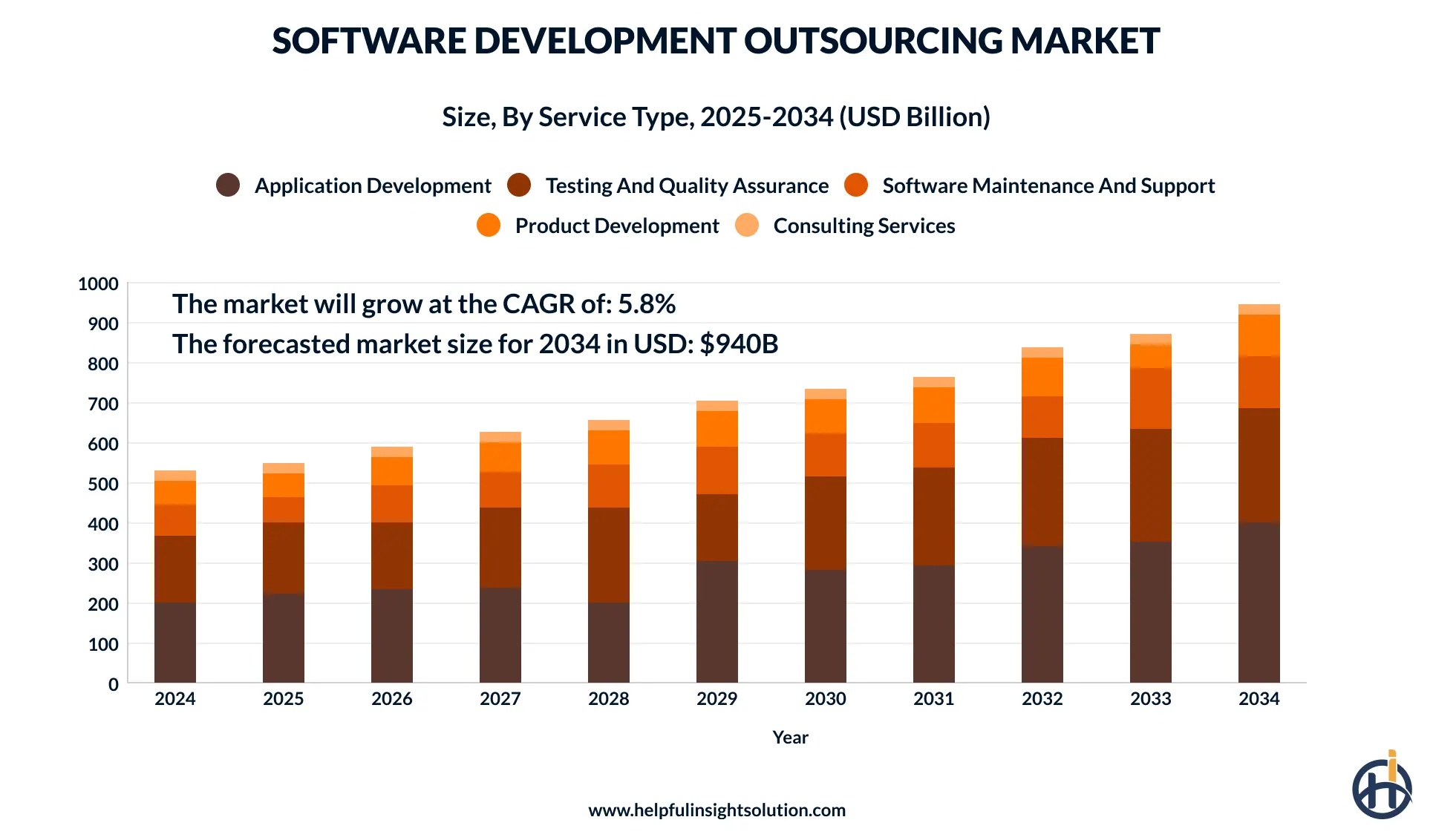
- The global software development outsourcing market may reach $940 billion by 2034, highlighting the growing role of outsourced teams in software projects.
- To choose the right software development company, check its industry and technical experience, portfolio, client reviews, project management approach, communication, and pricing structure.
- A software development provider may not be the right fit if it avoids clear responsibilities, sets unrealistic timelines, follows unclear processes, or refuses to sign an NDA.
Finding a software development partner is rarely the problem. A quick search will give you plenty of options, and most will have a portfolio, a list of services, and a proposal ready.
But choosing one to actually build your software is a different matter. You need to know whether the team understands your requirements and has handled similar projects. These are things you won’t necessarily find out from a sales call or a company website.
There’s quite a bit at stake when you hand over a software project to an external team. Poor communication, unclear requirements, or technical decisions made without understanding your business can create problems that take months to fix.
According to a Market.us report, the global software development outsourcing market is expected to reach around $940 billion by 2034, showing how widely businesses are turning to external development teams.
The requirements of a software project depend largely on the business behind it. For software development for startups, getting the first version of a product right may take priority.
Established companies, meanwhile, might be dealing with older systems, integrations, or larger development requirements. A provider should be able to work with the realities of your project rather than offer the same approach to everyone.
This guide walks you through the things worth checking before choosing a software development provider.
Why selecting the right software development provider matters
A software project’s success depends on more than a good idea or budget. The company handling the development also plays a major role in how the work progresses and what you get at the end.
In this section, let’s look at why selecting the right software development firm matters.
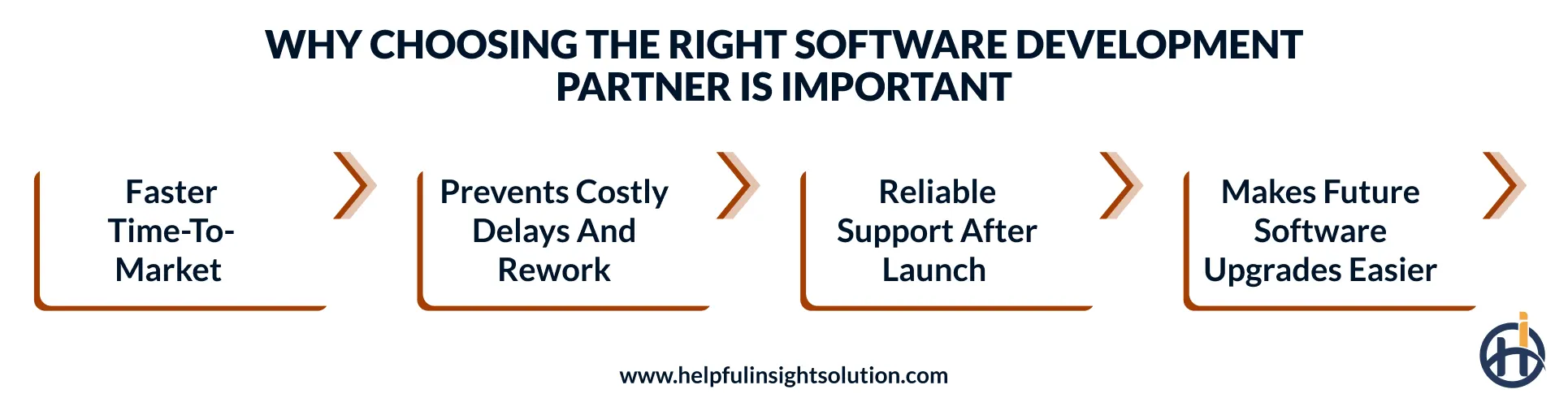
1. Faster time-to-market
If the software is not ready on time, your business plans may have to wait too. The company with experience knows how to plan the weeks ahead and what to do when something breaks. A less experienced team learns that on your time. Pick the first kind and you launch when you planned.
2. Prevents costly delays and rework
Ever had to redo something because nobody noticed a mistake in time? It happens a lot in software creation. A good provider reviews the work often and asks questions early, so little errors don’t pile up. That saves extra fixes and repeat changes, and helps keep the cost to develop a software closer to the planned budget.
3. Reliable support after launch
Enterprise software needs support and maintenance after it goes live. Users report odd problems, devices get updated, and new ideas come up. When you choose a software development partner who stays involved, someone is there to handle these things. Your product keeps working and improving instead of slowly falling apart.
4. Makes future software upgrades easier
Picture your business a year from now, with more customers and new ideas to try. Your software needs to handle all of it. The wrong provider builds something rigid, so every change becomes a big job. The right one builds with growth in mind, which keeps your product useful as your business moves forward.
Key criteria to evaluate a software development partner
With so many software development companies in the market, deciding which one to trust with a project can be confusing. Looking beyond sales promises and checking how a company actually works can make the decision easier.
Let’s have a look at the criteria to consider before hiring a software development agency.
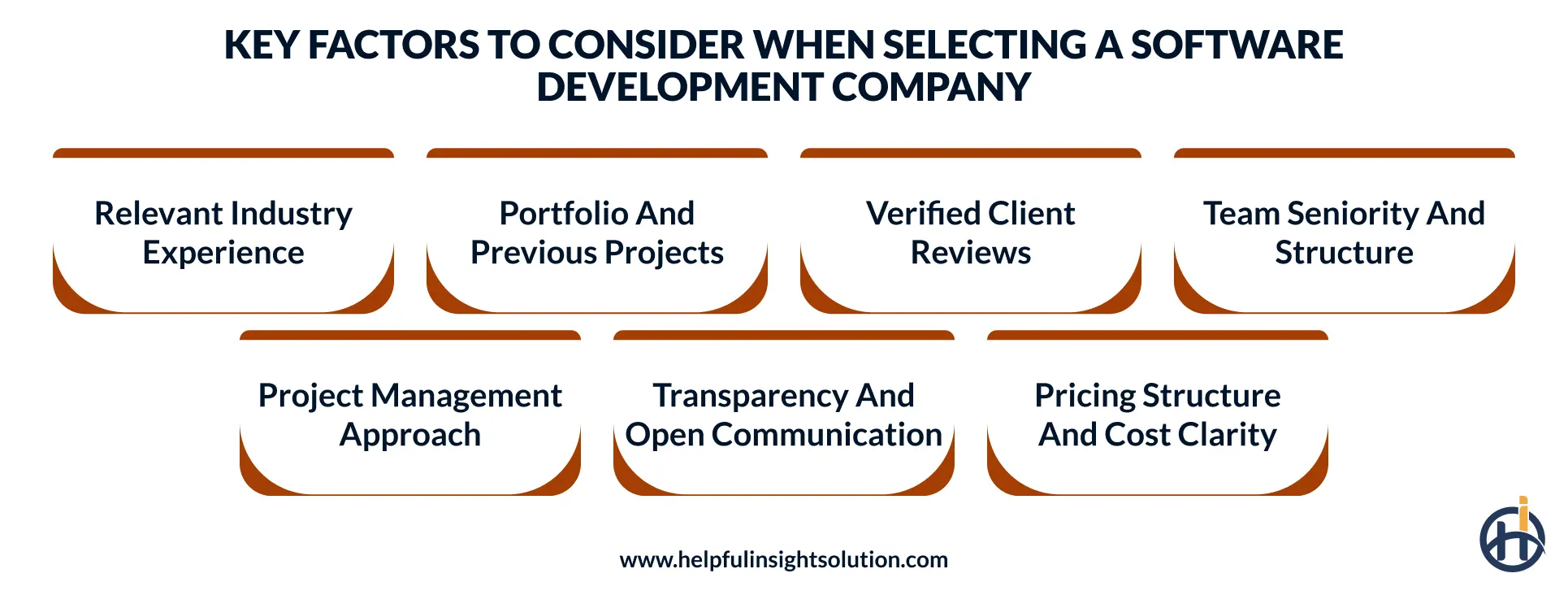
1. Relevant industry experience
A company may have strong technical skills, but that alone does not mean it understands the needs of a particular industry. A team familiar with the relevant sector is more likely to recognize specific business processes, user expectations, and compliance needs.
Check whether the agency has handled projects with similar requirements. Its previous work can help show how well it understands the industry and whether its experience is relevant to the project.
2. Portfolio and previous projects
Past projects can tell more about a development company than the service list on its website. Take time to review its portfolio and see whether the work matches the type of software being planned. Pay attention to the features, design, and overall quality of the products.
It is also worth asking why certain technical or design choices were made. This helps businesses understand how the company approaches real project requirements, not just how it presents its work.
3. Verified client reviews
Reading client feedback is one way to find out how a software vendor handles its projects once the work starts. Check reviews on the company’s website and independent platforms like Clutch, GoodFirms, and Google to see what clients have said about their experience.
Did the team meet deadlines? Were there problems during development, and how were they handled? When you select a software development partner, ask if you can speak with one of its previous clients. Their experience may help clear up doubts that reviews alone cannot answer.
4. Team seniority and structure
Before signing an agreement, find out who will be working on the project. Some companies involve senior developers in the first few meetings, but the actual development work may be handled by a different team.
This is worth checking, especially when considering offshore software development, where the assigned team may work from a different location.
Ask for the roles and experience of the people assigned to the project. A good team should have the right mix of senior developers, designers, testers, and other specialists based on the work involved.
When you find the software development partner, also check whether the key people will stay involved throughout the project or may be replaced later.

5. Project management approach
Every firm has its own way of managing projects. Some follow Agile, while others use different software development methodologies depending on the work involved. Ask how often progress is reviewed, who is responsible for each task, and how changes are handled during development.
A company should be able to explain its process in simple terms. This also helps assess whether the software development partner for business growth can manage the project in an organized way.
6. Transparency and open communication
Another important point to check when selecting a software solutions provider is how well they communicate. Find out how often they share project updates, whether they arrange regular meetings, and how they inform clients about problems or delays. It should also be clear who to contact when a question or concern comes up.
Good communication keeps both sides on the same page and makes day-to-day work easier, especially when working with custom software development partners in different locations.
7. Pricing structure and cost clarity
Before finalizing a software development partner, understand how it has arrived at the quoted price. Ask what is included in the estimate and whether expenses such as testing, maintenance, integrations, or software licences are charged separately.
It is also worth discussing how the company handles extra work if requirements change during development. A low quote may seem attractive, but it is important to know what it covers. This makes it easier to choose the right software development company without putting the project budget at risk.
Red flags to watch out for when choosing a software development provider
Finding the right software development partner takes more than checking its services and experience. Certain signs can suggest that an agency may not be the right choice for a project. Paying attention to these warning signs early can help businesses and startups avoid problems later.
Here are some of the red flags to watch out for.
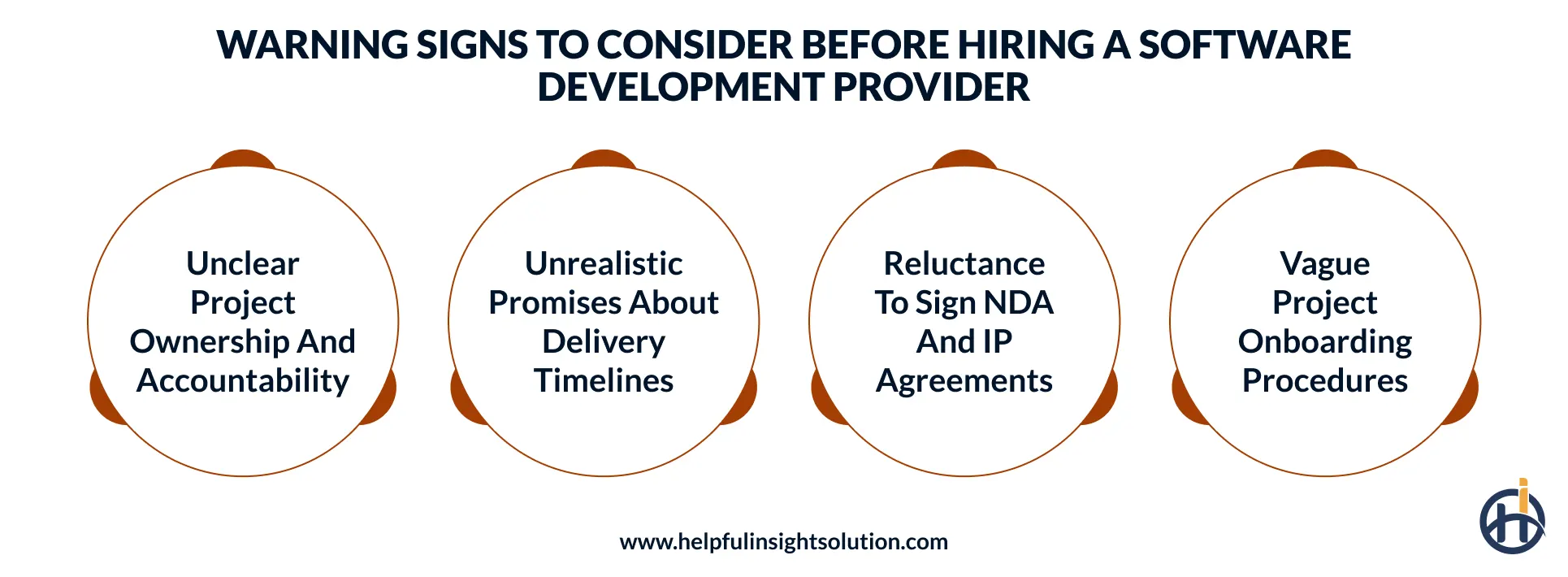
1. Unclear project ownership and accountability
Pay attention to how the development agency divides responsibilities. Who will manage the project? Who will handle technical decisions? And who should be contacted if a problem comes up?
If these answers are unclear, there may be confusion once the work gets underway. Make sure there is a clear point of contact and that each person knows what they are responsible for.
2. Unrealistic promises about delivery timelines
Be careful if a provider promises to finish the entire project in a very short time without asking much about its requirements. Software development involves several tasks, and some may take longer than expected.
Before accepting a proposed deadline, ask how the timeline was estimated and what stages it covers. Even experienced software consulting companies need time to understand the work before committing to a delivery date.
3. Reluctance to sign NDA and IP agreements
If a software development partner hesitates to sign an NDA or agree on IP rights, don’t ignore it. These agreements protect the work and information shared during a project. A provider should be willing to put confidentiality and software ownership terms in writing.
Before moving ahead, make sure there is no confusion about who will own the source code and other project work once development is complete.
4. Vague project onboarding procedures
See if the provider has a clear plan for getting the project started. The team should explain how it will understand the requirements, arrange the first meetings, and bring the right people into the discussion. If no one can explain these simple steps, it may be a sign that the onboarding process needs more attention.

Why choose Helpful Insight as your software development partner
Selecting a software solutions provider is a decision that can influence how a business uses technology for years to come. The digital solution being built today may become an important part of daily operations, customer service, or future business plans.
That is why the decision should not end with finding someone who can complete the current project. Think about the value the development relationship can bring as business needs change.
Our software development company brings 10+ years of experience in building bespoke software solutions for businesses across industries such as healthcare, education, finance, and eCommerce. The criteria to choose a development partner covered in this blog are also an important part of how we approach our work.
We know that every project comes with its own requirements, which is why we take time to understand what a business needs before deciding how to approach the work. Our certified developers focus on understanding each project, bringing the right technical experience, and keeping communication clear along the way.
Have a project in mind? Book a free consultation with our team to discuss your requirements and learn how we can help.
FAQs
The cost to hire a software development partner can range from $40 to $250+ per hour. A dedicated development team may cost around $8,000 to $40,000 per month. There are several factors which impact the cost including project scope, engagement model chosen and location of developers.
It can take around 2 to 6 weeks to hire a software development firm. The time depends on how long it takes to find a suitable company, discuss the work and agree on the terms.
A credible software development partner should have proven project experience. Look beyond sales promises and low rates. Check how the team handles challenges and maintains its code.
Questions to ask before hiring a software development company include:
- Have you worked on projects similar to ours?
- Can you show examples of your previous work?
- Who will be working on our project?
- Which project management methods do you follow?
- How do you handle changes in project requirements?
- What will be the total software development cost?