

Going to the gym used to take a lot of time and effort. But apps like Jefit workout have changed the game, making fitness accessible for people of all age groups and allowing them to take control of their workouts.
It’s no longer just about the sweat; fitness enthusiasts want to know their stats, like how much they’re lifting, how many calories they’ve burned, and how much they’ve improved since last week. And exactly how app like Jefit workout helps with.
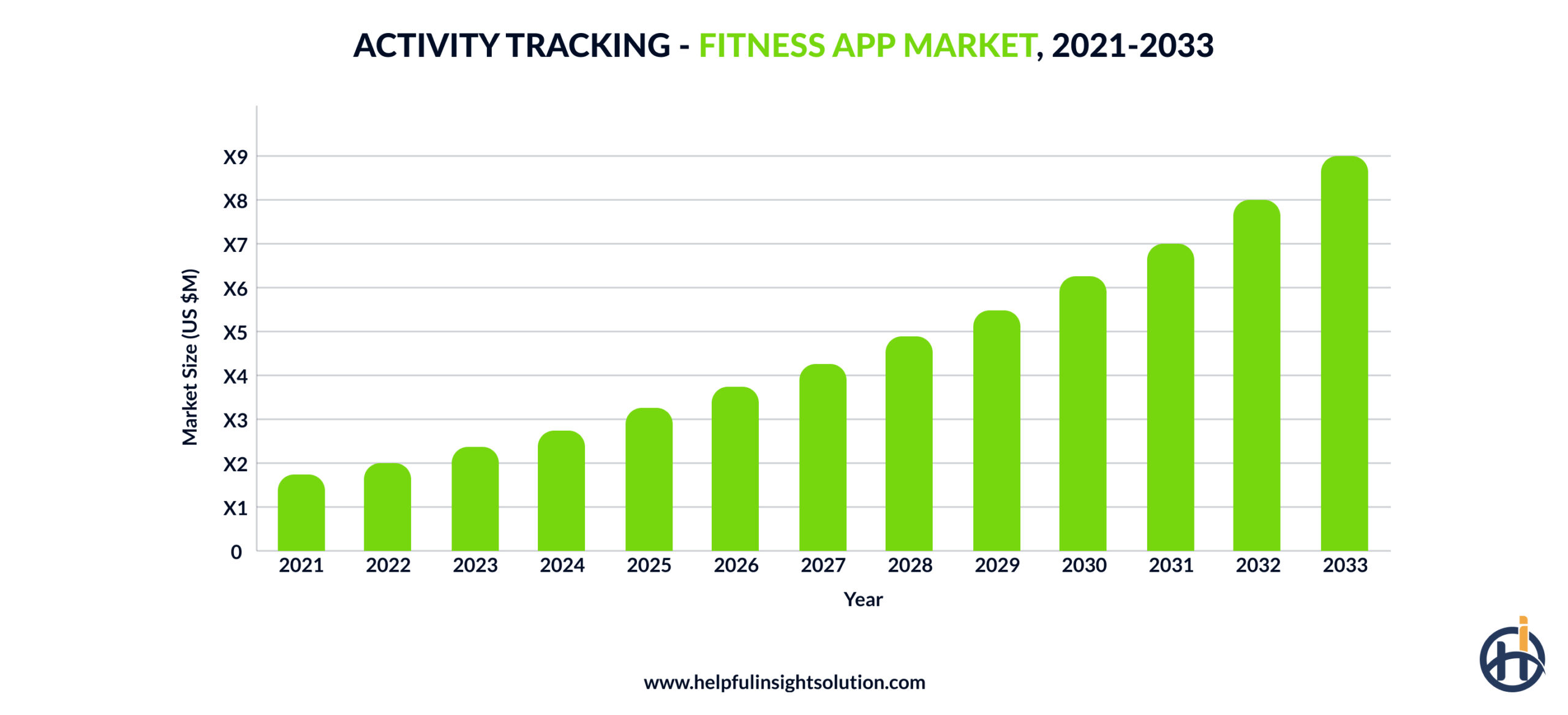
This global activity tracking fitness app market is booming and expected to hit nearly $8,993.0 million by 2033. The opportunity for gyms and fitness startups is massive. People aren’t just looking for a place to sweat anymore; they want the convenience of working out at home while still having access to professional-grade data and tracking.
Look at Jefit as the perfect example. It has succeeded because it gives users exactly what they want, full control over their fitness journey and a clear view of their progress.
If you want to capture this growing audience, now is the perfect time to develop your own fitness app like Jefit. In this blog, you’ll learn everything you need to know to build it.
What is the Jefit Workout App?
Jefit is a highly popular gym workout tracker app that helps people plan and track their workouts. With over 1,500 different exercises and HD video guides, the app makes it easy to follow along and allows users to log details like sets, reps, and weights lifted.
It also offers 850+ gym workout plans, from strength training to fat loss, and creates custom routines. With over 20 million downloads, the Jefit workout planner app has earned a 4.8-star rating in the Apple App Store and a 4.4-star rating on Google Play.
Business Benefits of Developing an App Like Jefit Workout Tracker
If you’re unsure about building an activity and fitness tracker app like Jefit, this section will help clarify things. We’ll share compelling reasons that will convince you it’s a smart investment for your business.
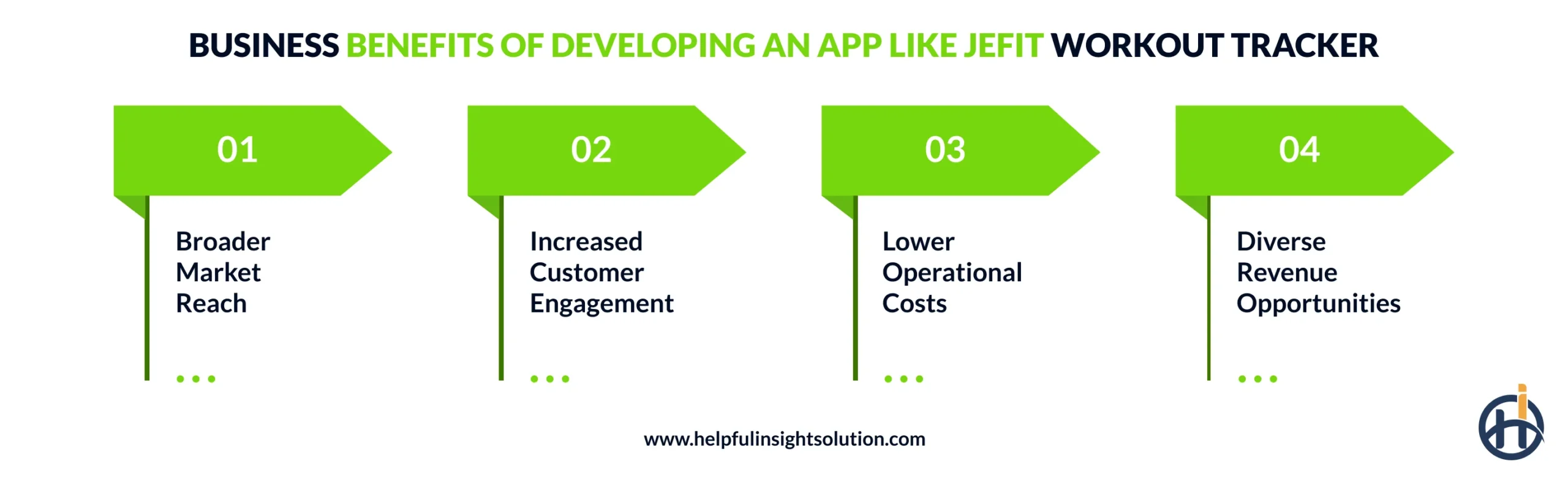
1. Broader Market Reach
Every entrepreneur wants to take their business global. With an app like Jefit workout businesses can expand their reach and make their services available to more people. Since everyone has a smartphone, your business isn’t stuck behind four walls anymore.
You can grow your brand 24/7 and find new customers in every corner of the globe.
2. Increased Customer Engagement
In a physical location like a gym, it is sometimes difficult to engage the customers; there are chances they get bored and leave their membership. But with an app, you get different ways to keep them engaged, like through custom plans, fun challenges, and a progress tracking feature.
This builds stronger relationships with your customers, keeping them loyal to your brand in the long run.
3. Lower Operational Costs
Running a fitness center comes with a lot of overhead, like rent, equipment maintenance, and high utility bills. If you operate through a fitness app like Jefit instead of a physical space, those heavy expenses disappear.
Moreover, digital marketing is much more affordable than traditional ads. You can easily scale your business and add more users without ever needing to worry about extra infrastructure.
4. Diverse Revenue Opportunities
Are you looking to increase the revenue of your fitness business? Develop an app like Jefit workout, which will help you expand your revenue base.
Fitness app like Fitbit and Jefit offer many ways to make money, such as subscription models, premium features, and in-app purchases. Since you have different ways to get paid, your business stays steady and strong.
Must-Have Features of a Workout and Fitness App Like Jefit
Selecting the right features is very important, as your Jefit workout app clone’s success is highly dependent on that. If it doesn’t have the features to log exercises and track them, no one will use your app.
Hire dedicated developers; they will help you in feature selection that aligns well with your business and the target audience’s needs.
| Feature | Description |
| AI-Powered Training | The app should offer AI training plans that adapt in real-time by analyzing user strength and tiredness. |
| Workout Logging | Allow users to quickly log sets, reps, and weights during workouts, keeping progress saved. |
| Progress Tracking | With this feature, users can see their fitness progress through graphs and understand how their bodies are changing over time. |
| Extensive Exercise Library | A fitness app similar to Jefit should have a vast workout library, allowing users to choose exercises according to their goals. |
| Pre-Built Workout Programs | Get access to many expert-made workout plans to help beginners and advanced users follow structured routines. |
| Audio Workout Guidance | The app provides voice instructions that assist users in following steps correctly and improving their workouts. |
| Wearable Device Sync | Jefit workout app connects with wearables like smartwatches to track workouts, showing heart rate and activity data in real time |
| Offline Mode | Let users use the app even without internet access. Download exercise videos and track workouts, even in remote areas. |
Steps to Build an App like Jefit Workout
Wondering how to create an app like Jefit? Developing such an app requires following a structured approach and the right expertise. It would be best to partner with a mobile app development service provider, as they are experts in this field.
Let’s take a look at the process to build a fitness app similar to Jefit.

1. Market Research
The very first thing to do when you think of building a fitness app is to get clarity on why you want to develop it, for whom, and what purpose it will serve.
Identify market gaps, map features, check competitors, and analyze what they succeed in and what they lack that you can take advantage of. Most importantly, don’t forget to study the Jefit app, as this will help you establish your USP.
2. UI/UX Design
In this stage, UI/UX designers will craft user-friendly, attractive, and visually appealing interfaces that speak for themselves. Clickable prototypes are also created to visualize the workout planner app flow, design feasibility, and user experience. So, if changes need to be made, they can be done before coding begins.
3. Tech Stack Selection
The tools and technologies you select to build the Jefit workout app impact its performance, security, and scalability to a great extent. These are parameters no one wants their mobile application to fail. The tech stack used for Jefit app development generally includes:
Programming Languages: JavaScript, PHP, HTML5, React Native
Frameworks: Redux, Swiper, Tailwind CSS
Database: MySQL, Firebase, MongoDB
API Integrations: Google Fit API, Apple HealthKit
Cloud Platforms: AWS, Google Cloud Platform, Microsoft Azure
4. Mobile App Development
In this phase, the frontend and backend architecture of the Jefit workout tracker clone will be created using high-quality development practices and the best technology stack discussed above. Core features will be designed and implemented. To boost the functionality of the platform, custom APIs will be build and smoothly integrated.
5. Testing and Launch
QA engineers test the app like the Jefit workout planner, to find and fix issues such as bugs or glitches. Once they confirm the platform is completely safe to use, free of errors, and provides a consistent experience on every device, it is prepared for market launch. Make sure to follow the guidelines of the platform you plan to launch on; this will help secure fast approval.
Cost to Develop an App Like Jefit Workout Planner
Building a fitness app is a big investment, so it’s completely natural to worry about the cost. Knowing the fitness app development cost in advance helps plan the budget better and avoid unnecessary spending.
It’s hard to determine the exact figure as it depends on several factors like project complexity, chosen platform, number of features, UI/UX design, and the location of the developers.
Keeping these factors in mind, building a basic MVP can cost around $15,000 to $60,000, while a more advanced app with AI features may go from $60,000 up to $150,000 or even more.
To get a custom quote, please share your project requirements, or you can also use our cost calculator for a quick estimate.
Partner with Helpful Insight to Build a Custom Fitness and Workout Planner App Like Jefit
The demand for a workout app like Jefit is high. People are continuously looking for good apps to exercise and track progress, creating strong opportunities for new apps to succeed.
As a business in the fitness domain, if you are thinking of developing an app like Jefit workout, you are moving in the right direction. Don’t know where to start? We are here to help.
We are a leading fitness app development company with 10+ years of experience in creating applications for gyms, wellness centers, and fitness startups. Our team comprises certified professionals who build feature-rich, secure, and scalable workout tracker apps.
Whether you want a custom app from scratch or a clone of a popular app, we can do both. For clone apps, we don’t just copy; we build solutions that can strongly compete in the market and match your specific needs.
Connect with our team today and share your app idea with us. We would love to help you.
FAQs
The cost to build a gym workout tracker app is affected by a wide range of factors like app complexity, platform selected, features, UI/UX design, and the location of the fitness app development agency. On average, a simple Jefit app costs can start from $15,000 to $60,000 and an advanced one can range from $60, 000 to $150,000 or more.
The timeline to create a gym app like Jefit is impacted by many variables, such as project scope, feature complexity, app design, platform choice, testing, third-party integrations, and many more. A simple fitness app can take around 3 to 6 months to develop, while a more advanced app may take 9 to 12 months or longer.
For a more accurate timeline, please share your project requirements with us.
Some of the challenges that app development teams face when creating the Jefit exercises app are:
- Designing a user-friendly interface
- Ensuring data security and privacy
- Building a comprehensive exercise database
- Ensuring smooth cross-platform compatibility
- Maintaining app performance with heavy traffic.
Heavy, Fitbod, Boostcamp, and Caliber are some of the best workout apps like Jefit.