

Key takeaways
- Agentic AI, on-device AI, multimodal features, spatial computing and privacy first apps are the top mobile app development trends worth watching in 2027
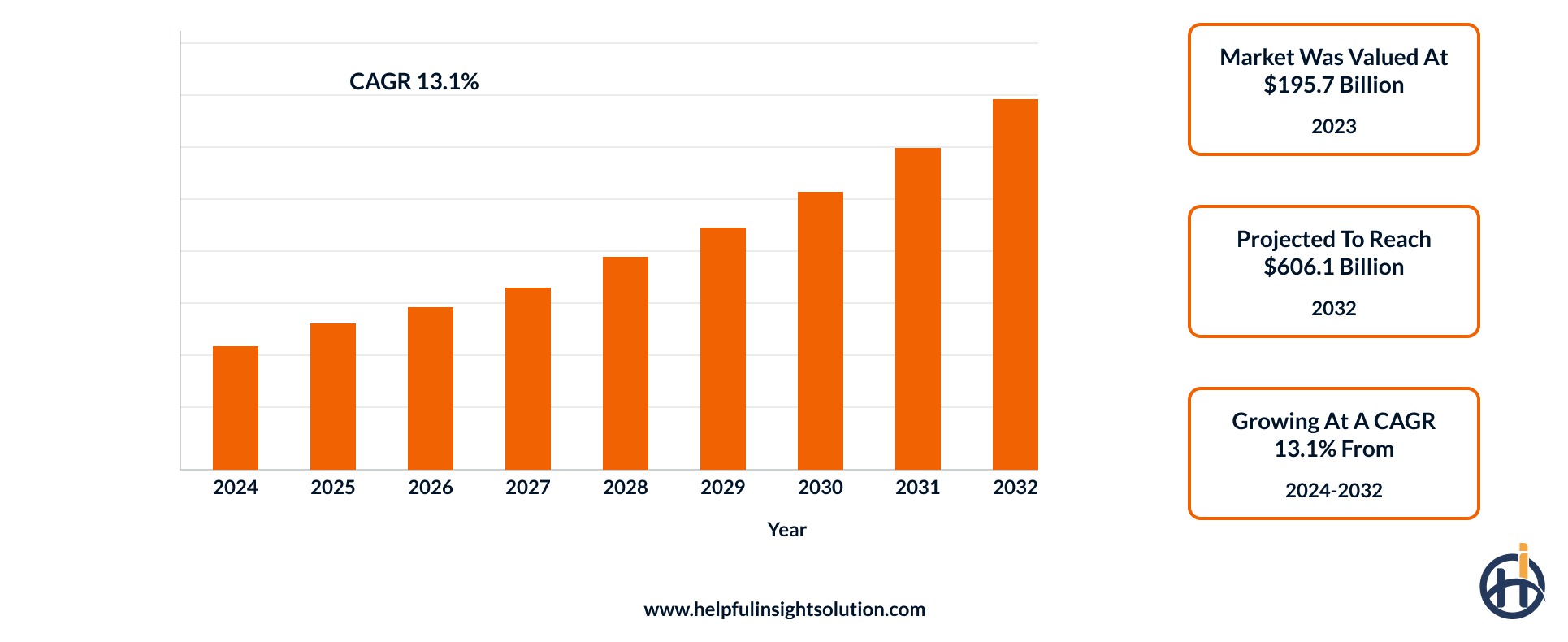
- The global mobile app development market will reach $606.1 billion by 2032, showing how demand for mobile apps is growing across many industries and business types
- Foldable phones, smartwatches, and other connected devices are changing how developers design app layouts and features for different screens.
- Super apps, spatial computing, and offline-first experiences are giving businesses different ways to serve users through mobile platforms.
A mobile app doesn’t stay relevant just because it has been developed and launched. The technology just moves, users pick up new habits, and what counted as a good approach two years ago may not hold up anymore.
That’s a real concern when a business is planning its next app or updating one it already runs. Following mobile app development trends helps sort out what is worth adopting now and what can wait.
Several shifts are already shaping how apps get built. AI is changing how certain app features work, while cross-platform tools are giving developers more choices when building for different devices.
There are also developments in security, connectivity, and how apps handle information. Allied Market Research projects that the global mobile app development market will reach $606.1 billion by 2032. This growth reflects the rising role of mobile apps across industries.
For businesses planning to develop a mobile app, it is worth understanding which of these trends can make a real difference. This blog covers the latest mobile app trends, how they are changing app development, and what businesses should consider adopting in 2027.
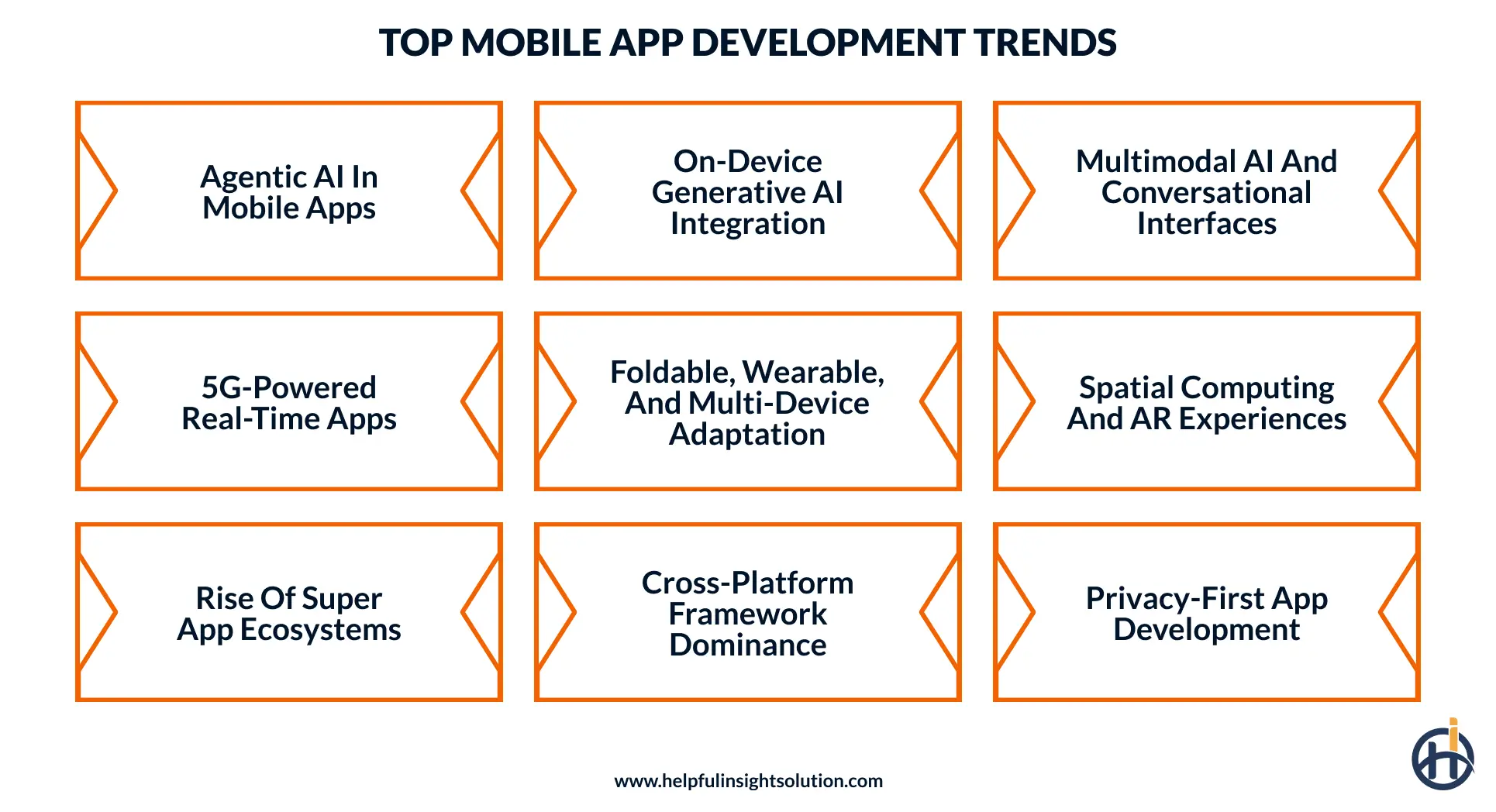
Top 9 mobile app development trends to watch in 2027
The mobile app industry keeps changing, with new technologies and ideas coming up all the time. It helps to know what is going on in the industry before starting a new project. That way, a business can pick out the trends that are actually useful. Here are the latest trends in mobile application development worth your attention.
1. Agentic AI in mobile apps
Many apps already use AI to suggest products, answer queries, or show useful information. Agentic AI takes this a step further. It might show a few products or answer a question. In a shopping app, a customer could say what they’re looking for, and the app would find matching items, compare them, and have an order ready to go. The customer still decides before anything is placed.
This can cut down on manual work, and it is one reason more businesses are looking at agentic AI for their apps. It does raise a fair question about trust, so apps should be clear about what they are allowed to do and when they need the user’s approval.
This is one of the mobile app technology trends businesses should pay attention to, particularly if their apps involve tasks that take several steps. Organizations can consult an AI development company to plan agentic AI integration into their mobile apps.
2. On-device generative AI integration
What if an AI feature in your app could work even when the internet connection is poor? That’s one of the reasons on-device generative AI solutions are getting attention and becoming one of the top mobile app development trends.
The app handles some AI tasks using the phone’s own processor, so a user can summarise a note, reword a message, or adjust a photo without waiting for a server.
This can make certain features respond faster and reduce the amount of data shared online. But there is a limitation. Running AI models right on a phone depends on the hardware. Some devices have plenty of memory and power for it, and others don’t.
3. Multimodal AI and conversational interfaces
Describing something in words is harder than it sounds. A multimodal AI doesn’t make you do it alone. You can type a bit, add a picture, speak a line, and it puts them together. Say someone wants a new sofa.
They take a photo of their living room and ask the mobile app what type of sofa. The app reads the room from the picture and suggests options that make sense there.
Users can also ask more questions instead of going back to the search page. This makes conversations with apps more useful and less dependent on typing. AI agent services can take this a step further by using the information shared by users to help with searches, comparisons, and other tasks. It’s an interesting mobile application trend for businesses looking to make their apps easier to use.
4. 5G-powered real-time apps
Trending mobile app development technologies also include improvements in mobile networks. 5G is one example, as it gives apps a faster connection and reduces the time data takes to travel between devices and servers.
The shift is already taking place across many markets. According to Market.us, over 600 operators in 184 countries are investing in 5G networks, moving beyond trials and expanding their services. For instance, a sports app could show match updates almost as they happen, while a video meeting app can support clearer calls with fewer disruptions where 5G coverage is available.
This also gives mobile app developers more options for apps that send and receive large amounts of data. Enterprises should look at this technology if speed and access to live information are important to how their app works.
5. Foldable, wearable, and multi-device adaptation
People use different devices depending on what they need to do. They may check a quick update on their watch, use their phone to explore an app, or switch to a tablet to see more details.
The app should make these tasks easy on every screen. Foldable phones also need a little more thought because the layout has to adjust when the screen opens or closes. A smartwatch is different. It usually needs to show only the most useful information, without making users go through several steps.
More apps are now expected to work on wearables, and that shows up in mobile application development trends. If a business plans to add smartwatch features, wearable app development services can help the app fit the device’s screen and controls.
6. Spatial computing and AR experiences
Not long ago, using an app meant looking at a flat screen. Spatial computing has started to change that. Through a phone or another supported device, digital objects can now appear in the user’s real space.
Picture a person aiming their phone at a bare room and checking how a table might look there. That’s the kind of thing driving app use in shopping, education, and property design. Users get to look at and interact with digital content in their own surroundings, not just flip through pictures or videos.
7. Rise of super app ecosystems
More people now expect one app to cover several everyday needs. Super apps are built around that expectation. They combine different services on one platform, with a shared account and usually the same payment method across them. A business can add a new service without pushing customers to install another app.
That is a big reason super apps are becoming part of mobile development trends. There is a catch, though. Every service has to work smoothly with the rest, and the app shouldn’t become hard to manage as more features get added.
8. Cross-platform framework dominance
Developing separate apps for Android and iOS can increase both development time and maintenance work. Cross-platform development offers another way to approach this. Developers can write a shared codebase and use it to build apps for multiple operating systems.
For organizations building a new app, cross-platform app development frameworks have become a common choice. Flutter and React Native keep giving developers more room to work this way.
That said, the best option isn’t the same for every app. Complex features or heavy use of device-specific functions can call for another approach. So the requirements should come first, and the framework second.
9. Privacy-first app development
Users are paying closer attention to where their personal data goes. They expect apps to handle it responsibly, and businesses can’t treat privacy as a final-stage task. Instead of adding privacy controls later, more developers plan them from the first stage. The app collects only the data it needs. Anything it stores is secured, and permission requests say clearly what they are for.
This change in how apps handle personal information is becoming part of mobile application technology trends. The privacy laws change from one region to another, and businesses can’t ignore that. Handling privacy properly keeps user data protected, and people tend to trust an app that does.
Why mobile app development trends matter
Competitors keep improving their apps, and technology improves a little further every year. A business that isn’t paying attention can fall behind without noticing. Here are some reasons why keeping a watch on mobile application development trends is important.
1. Faster time to market
Managing an app project gets easier when a business knows what is new. Following mobile development trends points teams to tools that build for multiple platforms or connect cloud services quickly. The time saved can mean the app launches earlier.
2. Smarter technology investment decisions
Mobile app development trends matter because they guide where a business should spend. Keeping up with new technology helps avoid paying for tools that won’t suit future needs. Take AI in mobile apps. Once a business understands what it can and can’t do, deciding whether AI features are a good investment becomes much easier.
3. Keeping users engaged
People’s expectations shift as they try new apps and get used to better features. Hard-to-use apps and platforms that don’t meet people’s needs lose interest fast. By following mobile app trends, businesses can improve the experience and give users a reason to keep using the app.
How Helpful Insight can help you build trend-ready mobile apps
Mobile apps will keep changing as new technologies come into use and people’s expectations grow. Following mobile app development trends helps a business see where things are heading and which changes could affect it.
Still, adopting everything new isn’t the goal. What matters is picking technologies that fit the app’s purpose and make sense to its users. That will stay true as mobile technology moves forward.
If you are planning a new app or want to improve one you already have, Helpful Insight can help. Our mobile app development company has 10+ years of experience building user-friendly, secure, and scalable mobile apps across industries. Our team follows developments in mobile technology closely and understands how to use them in real projects.
We recommend only the trends that make sense for your business, popularity alone doesn’t count. We stay with you from the initial idea to development, so the app meets your needs and has room to grow.
Want to put the right mobile development trends to work in your business? Talk to our team, and we’ll help you get started.
FAQs
Expect apps to get smarter over the next few years. AI will show up in more features, and apps will run across different devices. Security, speed, and user needs will get more attention too.
Users don’t want to hunt for things in an app anymore. That is pushing designers toward simpler layouts, easy navigation, personalized screens, and smooth animations. They are also working on accessibility and comfort across screen sizes.
AI is changing mobile app development by helping developers write and test code faster while adding features such as personalized recommendations, chat support, and voice-based search to mobile apps.
Businesses can select the right mobile app development trends by considering the following:
- Match the trend with clear business goals
- Check whether your current technology can support it
- Compare the development cost against expected returns
- Review security and data privacy requirements first
- Start with a small pilot before full rollout.